
Even after announcing a “record-breaking year”, Christie & Co’s head of pharmacy tells C+D it’s been “business as usual” in a healthy pharmacy market.
“It shows the market, despite its pressures, is a market where people want to be and banks want to lend,” says Jonathan Board.
In its Business Outlook 2026 report, published today (January 15), the property brokers advised on, valued, or sold, 1,155 pharmacies worth a combined £869m, making 2025 its best year to date.
Read more: ‘Strong market’: Eight in 10 plan to buy and/or sell pharmacy by 2028
Board attributes this success down to Christie’s “good geographical spread” with offices and pharmacy specialists around the UK generating the ability to see the market “from all sides”.
“We see the buy side, evaluations, and a lot of its being advised on. It gives us fantastic intelligence into the wider market and what’s happening with cost pressures, expenses and profits.
“We’ve got a national coverage, but with regional knowledge. That is our big USP.”
And he highlights some significant trends that happened in the pharmacy market last year.
Less sales, higher prices
Christie’s report says there’s been a “clear shift” towards higher-value pharmacy sales and predicts a “continued rationalisation of non-performing corporate assets”.
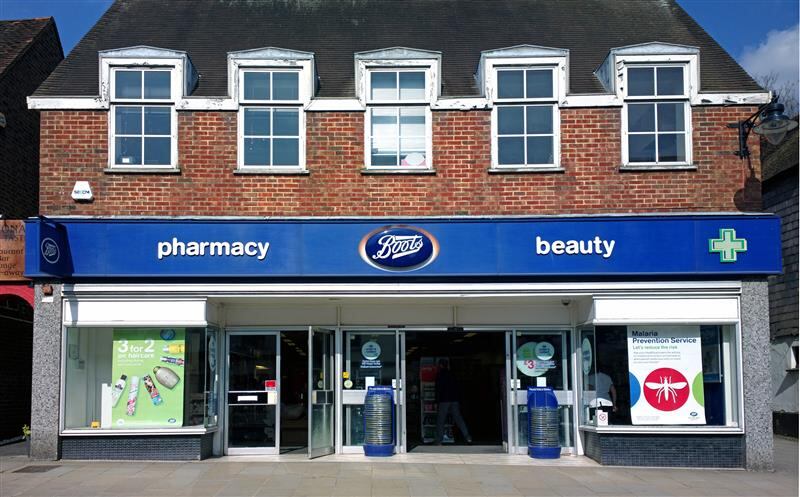
Board says 2026 will see a “continuation” of last year after a significant number of corporate disposals from Lloyds, Boots, Avicenna and Well between 2021 to 2024 impacted the value of sale prices in previous years.
“The corporates would rather sell for slightly lower money and do what they deem to be an easier, straightforward deal and not get bogged down in the details of the due diligence points,” he says.
Read more: Two thirds of pharmacy owners want to buy or sell in 2025, reveal pharmacy brokers
He stops short of describing the market as “normalised”, but says there was “less on the market last year, and instruction numbers were lower, which meant the downward pressure on pricing that we’d seen in the previous couple of years came to an end. But we saw slightly larger, single asset deals.”
The average sale price of pharmacies handled by Christie & Co increased 4.1%, which reversed the 6.3% drop in the previous year, and Board suspects it will “remain fairly steady”.
“So, our average price increased, which meant selling slightly less numbers but of slightly higher quality. That will continue through this year, and I don’t see the large corporates making mass disposals.”
Corporates
The “slightly larger, single asset deals” comprised 52% of Christie’s transactions in 2025, with share sales making up the rest.
Despite numbers falling from the previous year, it’s higher than “historic levels” because of the continued divestment of corporate portfolios.
This has led to a 5% increase in the number of operators owning up to five pharmacies from 2024 to 2025, which now stands at 5,126, according to General Pharmaceutical Council data from March last year.
Read more: Pharmacy chain selling over half its estate for £3.2m
Data shows only 201 operators who own at least six pharmacies in 2025, and Christie highlighted Boots as an example of where independent operators have bought from corporates as it reported Boots overall branch numbers have decreased 19.9% between 2022 to 2025.
Jhoots
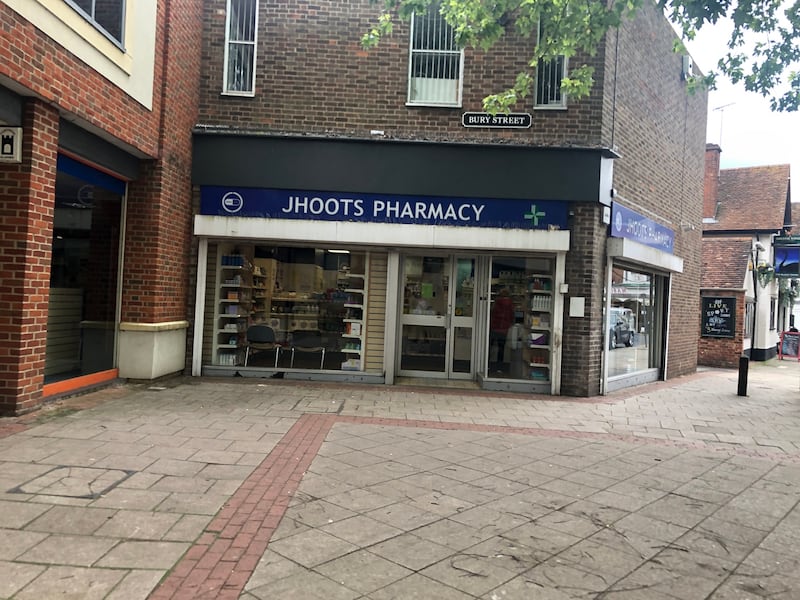
Christie predicts there will be a number of “bank-driven or administrator-led sales” off the back of it handling the sales of 68 Jhoots branches to Allied Pharmacies at the start of the year.
These sales will create opportunities for buyers wanting to “turn around struggling businesses” and Board says these sales “vary pretty wildly”.
Read more: Christie and Co Annual Market Review 2024 - Listen
“Either they’ve borrowed more than they should have done or have never caught up with it. The accumulation of debt is something to be mindful of, and there’s a lot of buyers out there looking to reduce that.
“We don’t see high numbers of them, but clearly the recent example of Jhoots was quite a large one. A lot of the banks are in the background looking at serviceability, loan values and keeping an eye on things.”
First-time buyers
Just 6% of sales Christie completed last year were by large groups and corporate operators.
Consistent with 2024, first-time buyers accounted for 31% with the next larger buyer being small groups at 30%.
Board says this demonstrates a “continued demand” for first-time buyers to be “masters of their own destiny and do the job they want to do in the communities they live in”.
Read more: Revealed: Who snapped up the most Lloydspharmacy premises?
But with an increasingly strained pharmacy sector under pressure, Board believes the optimism from these types of buyers is good for the market.
“What’s happened in the market the last five years has been really positive, because we’ve seen that continued switch away from the large corporates to the independents, and particularly the first-time buyer.
“I’m sure it’s harder than they realise once they get that pharmacy. You see the best in it and the opportunities. The enthusiasm and motivation they’ve got is fantastic.”
Read more: Selling a pharmacy in 2025: What your pharmacy is worth and who’s buying?
Board has a few important recommendations for fist time buyers to consider when entering the market.
“A lot of first-time buyers ring up saying ‘I’ll look anywhere’. But the reality is, we’ve got the data to show most buyers buy within a 35-mile radius of where they live. The alarm bells sometimes ring when people are looking at pharmacies too far away or in an area they don’t know.
“Commuting for an hour or an hour and a half is eventually going to get you down, so location is very important.”
Read more: Multiple meltdown: How many branches of each chain survived 2024?
He adds that it’s also important “getting your feet under the table” and assessing what’s working.
“They’ve got ideas, it’s just how quickly they implement them, and invest in automation and other things. There’s probably some benefit in not doing that immediately and becoming comfortable with the business before you invest.”
Rates and services
Just as the National Pharmacy Association (NPA) wrote to the chancellor this week asking to extend its business rates support to community pharmacies, Board has seen buyers “more focused and realistic” on how high rent prices, and the business rates that come with it, may impact their business.
“Rent is the one thing you can’t change. With rents over £50k, the rates become a significant kicker.
“But it really only affects the big health centres and some of the high street pharmacies. Your typical pharmacy on a secondary retail parade, the rent will be fairly sensible.”
Read more: Buying + Selling: Indie expands, Day Lewis warehouse and ex-Lloyds music venue
One thing most community pharmacies are prioritising is adding private services to their business, and Board says this trend continues with first-time buyers.
“Most of these buyers, particularly first-time buyers, they’re looking at what they can do on top of what’s already been done. A lot are thinking ‘we can take on what they’re doing from the NHS perspective, and add on flu, travel and other things’.
“When you sell a pharmacy that does a lot of private services already, it’s more a case of maintaining what’s being done rather than adding.”

Confidence
With Community Pharmacy England (CPE) chief executive Janet Morrison warning the sector faces “a very gloomy outlook” over the next contract, how does Board think this might impact on buyer confidence in the market?
“It might encourage older sellers to sell but I don’t think it will discourage younger buyers to buy,” says Board.
“If you want to buy a pharmacy, you’re going to want to buy one whether you get a 2% or 6% pay rise. It’s the people who have been in the industry for a long time who may just think ‘the direction of travel here is not what I want to be a part of, and now’s the time to try and get out’.”
Read more: Buying + Selling: Local indie expansion, grade II listed upgrades and retiring sellers...
That said, some 37% of “over 7,000 pharmacy professionals” surveyed by Christie have plans to buy a pharmacy in the next three years.
Christie predicts cost pressures will remain a key issue for buyers and sellers, but “agile and forward-thinking operators” will continue to have opportunities to enter the market despite an expected lower uplift in the next contract.
“I don’t think many operators are anticipating anything amazing, and assume they’ll get what they got last time, which was the bare minimum. Most operators we speak to know it’s imposed upon them and it’s not a negotiation.
“They’re looking at additional services, at other avenues, because they recognise if you’re simply doing NHS items, your income is going to be limited. The good operators are working within the parameters they’ve got.”