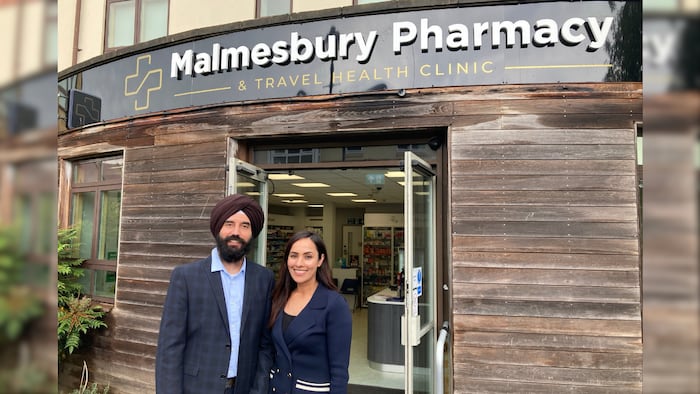
Gurinder Singh was working for a branch of Boots in Swindon in 2022 when he decided to send a speculative email to his bosses after hearing reports of branches closing.
“There was a first wave of Boots closures, so I emailed Nottingham head office saying, ‘I’m an employee and know the stores well in this area – if you’re going to be closing something in this area, please let me know’,” the 35-year-old community pharmacist tells C+D. “But a couple of years went down and nothing changed.”
Read more: Behind the counter: Humberston Pharmacy, Grimsby
He sent the email a decade into his 12 years working for Boots.
He grew up in Swindon and studied for his MPharm nearby at the University of Reading, where he went on to lecture in pharmacy practice, as well as working as a GP pharmacist.
At Boots, he took on various roles, including a year stint as store manager at its high street pharmacy in the small town of Malmesbury.
King of the Anglo-Saxons
Situated in between Bristol, Swindon and Chippenham, Malmesbury is best-known for its 12th century abbey, which is the final resting place of Athelstan, King of the Anglo-Saxons.
The quaint, dreamy life in the town recently saw it named by The Times as one of the best places to live in the UK. It attracts tourists from Europe and America , with many staying at the Old Bell Hotel, which was originally built in 1220, and some choosing to relocate completely.
But as Boots never replied to his email, Singh made plans to move in the opposite direction over the Atlantic. He chose Canada as a place for his young family to resettle.
Read more: Condoms, cannabis and chlamydia... life on a university campus pharmacy
“I became a permanent resident in Canada. About a year and half ago, I took my family and showed them where we’re going to be staying and everything.”
But then, last year, Singh finally got a reply to his email to Boots HQ.
“It said: ‘We are potentially selling a store in the area you showed an interest in’ and five minutes later I was on the phone to them. When they said it was this store, I didn’t need to know anything more. I put an offer in 24 hours later.”
Location
Malmesbury, South Cotswolds, Wiltshire
Established
August 12, 2024
Size
1214 square foot
While it wasn’t the pharmacy he had previously worked in in Malmesbury, it was a spacious pharmacy adjoined to a primary care centre just south of the town centre – a site that used to be the home of Malmesbury Cottage Hospital.
Cut to August 12 last year, Singh and his pharmacist wife Rajdip Purewal, who also worked as a GP pharmacist and a lecturer, opened the new Malmesbury Pharmacy to the public.
“It’s been amazing!” he says. “There are challenges, but nothing can beat being your own boss. It allows you to play a part in a close-knit community where everyone knows everyone. If you do something well, every single person in the area will find out about it.”
Notifications
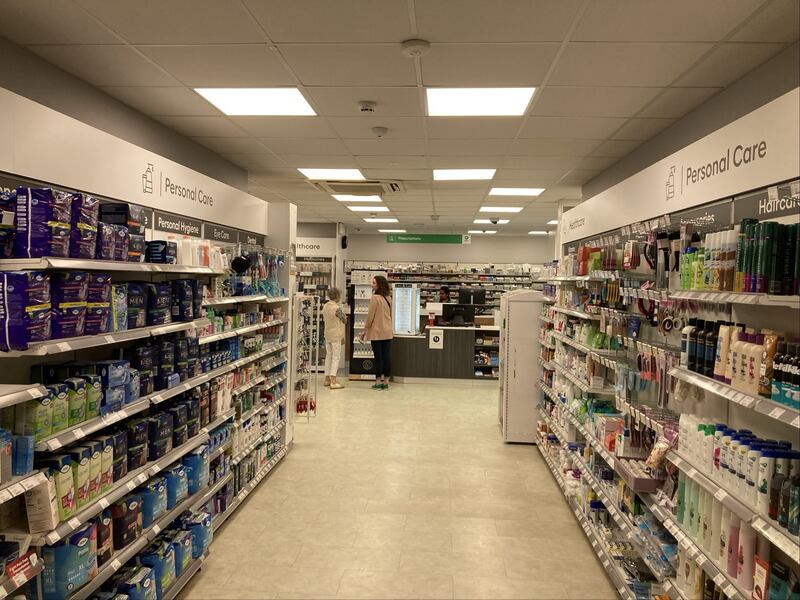
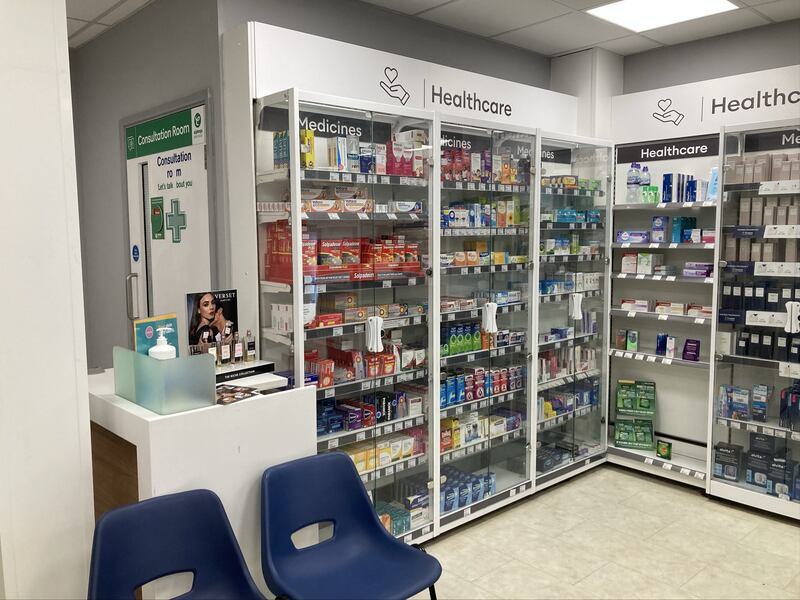
One of the things Singh and Purewal have done since taking over Boots is opening the shutter that was shut during lockdown and had the effect of separating the pharmacy’s retail space from the primary care centre’s waiting area.
But the pharmacy’s relationship with the GP surgery goes beyond sharing an open wall. Singh explains how a weekly “huddle” with the GP surgery helps to resolve potential issues before they arise and land with the patient.
Read more: ‘You’re Hired!’: Can apprentices play a bigger role in pharmacy?
“There’s been a big issue on drug shortages. We don’t allow the patient to even know there’s a shortage because before the patient gets here, we’ve already contacted the surgery to get a replacement prescription for an alternative.
“Every week the pharmacy technician visits me to say ‘what are your issues this week? What prescriptions are still outstanding?’ If any are left by Monday the following week, the scripts are sorted out. So, half the time, patients don’t notice.”
The closest pharmacies are seven miles away, with many people spread out across the surrounding villages travelling into the town.
Read more: Pharmacy celebrates autistic young person on dispensary placement
The couple have introduced another change to help reduce how many times a patient has a wasted trip when their prescription has not been ready to collect.
“The biggest thing when we opened was for patients to set up a notification service for their prescriptions. We went on a massive drive to make sure we had everyone’s numbers and email addresses. There’s a lot of elderly people who can’t drive, and then risk being told to come tomorrow.
“So, the majority of our patients get a notification, and then they come. In the last six weeks we’ve stepped it up to say ‘Your prescription is in drawer one’ so there’s no wasting time. People have liked that service. That’s the biggest change.”
GP feedback
The adjoining GP surgery sends out an annual feedback form to its patients, and Singh shares some of the responses praising the re-opening of the pharmacy that the practice manager had sent him.
“People think we’re all one organisation and part of the NHS. That’s how closely we work together.”
Read more: ‘Exhausted’ but ‘it’s great’: the rural pharmacist travelling 10 hours to work
Malmesbury Pharmacy’s relationship with the GP surgery embodies a model of how primary care can collaborate. But Singh says there is a financial “premium” to being in a health centre location, despite the benefits of instant access to the 17,500 patients registered with the GP.
The rent is around four times more than what he would have paid to be in a standalone high street premises similar to these in Exeter and Bristol.
He also notes that the NHS pays the lease for the GP surgery, even though “90% of our income is from the Department of Health. The government pays for their infrastructure whereas if I want to upgrade my computers, I have to pay out of my own pocket.”
“People trust Boots. All the accountants I spoke to kept saying to bear in mind that £40,000 is going to get knocked off retail takings. But, eight months in, we outstripped what Boots took.”
With experience of working in a GP surgery, he understands some of their frustrations and why they have “got tired of referring patients”.
“When you speak to the clinical team, they don’t feel confident in referring some of those patients to other pharmacies because they may not know who’s on duty or whether they’re going to be able to deal with it.
“When we’ve had a huddle, any cases that have been out of scope, or not referred appropriately, we’ll feed that back so it doesn’t keep happening. It’s about that two-way conversation.”
Read more: What’s the story... of the Tobermory Pharmacy?
Singh says being referred from the surgery can make community pharmacy more of a “clinical environment” for patients, as opposed to feeling like “they’re in a shop”.
One big benefit is that he says patients are typically less abusive because “they get out of that retail mindset”.
“People are happy to wait half an hour in a GP waiting area, so we need it to become like they’re attending the doctors, rather than a shop,” he says.
Local competition
Malmesbury Pharmacy is proud of its drive to encourage patients to visit the pharmacy for prescriptions rather than relying on online pharmacies dispensing them to their doors.
“Initially people thought having deliveries to the door was amazing” Singh says. “But a lot of people around here have realised they missed coming in and speaking to someone, that human touch.
Read more: COVID-19: Pharmacist translates DH test and trace video into Punjabi
“Either through word of mouth or having an emergency prescription from us, they’ve realised how nice it is to come in. So, they say, ‘please can you renominate me?’”
The pharmacy’s data on EPS nominations shows they have increased self-nominations by 1,300 since it opened.
Singh showed C+D some of the comments from happy customers praising the pharmacy’s staff, including that they’re always smiling, stock levels, and their approach to service since - as one patient put it - “taking over the horror that is Boots”.
Hours open per week
72
Staff numbers
Ten
Staff roles
- Two pharmacists
- Two counter assistants
- Four dispensers
- Two foundation trainee pharmacists (incoming)
It’s also increased dispensing by a thousand, completing an average of 11,400 even though it does not offer dosette boxes.
But the biggest surprise has been the growth of the pharmacy’s retail sales, as Singh was told by his accountants to expect a hit on this income when completing due diligence on Boots’ accounts before taking over.
Read more: I’ve become an independent prescriber. So, what’s next?
“You can’t compete with Boots products, with their advantage card. People trust Boots. All the accountants I spoke to kept saying to bear in mind that £40,000 is going to get knocked off retail takings. But, eight months in, we outstripped what Boots took.”
“Rajdip manages retail, and it’s an achievement for her to do the same that Boots did without a head office behind us.”
Strategy
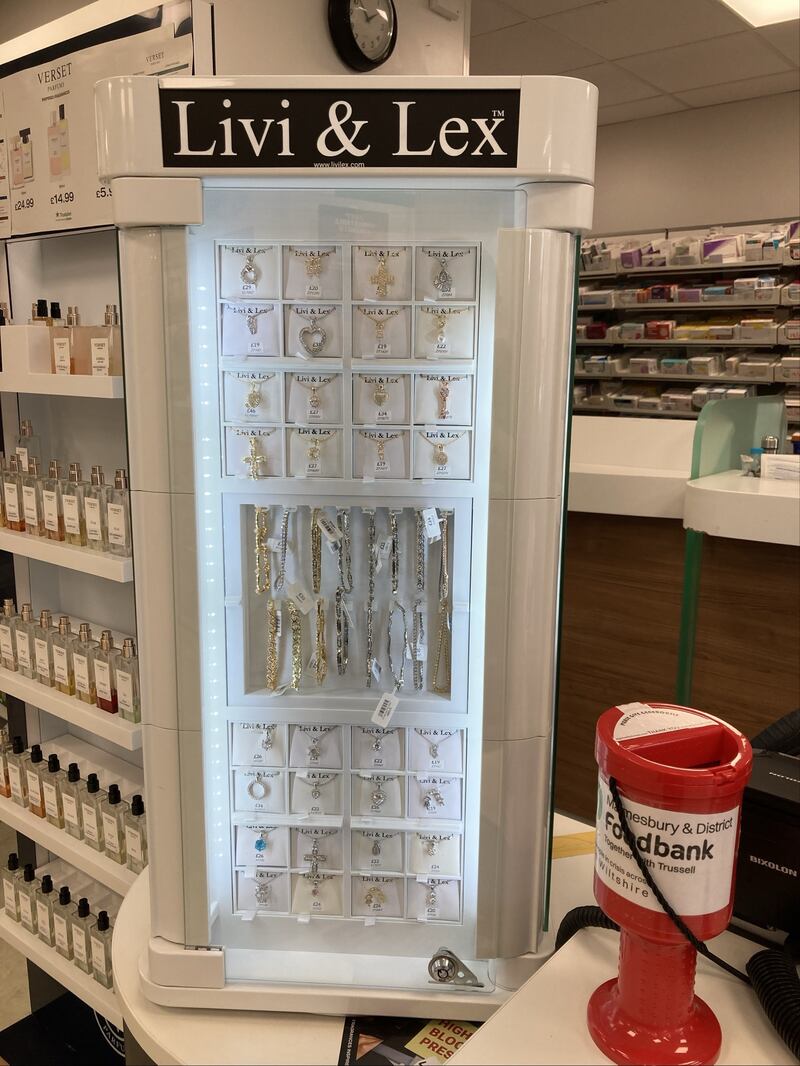
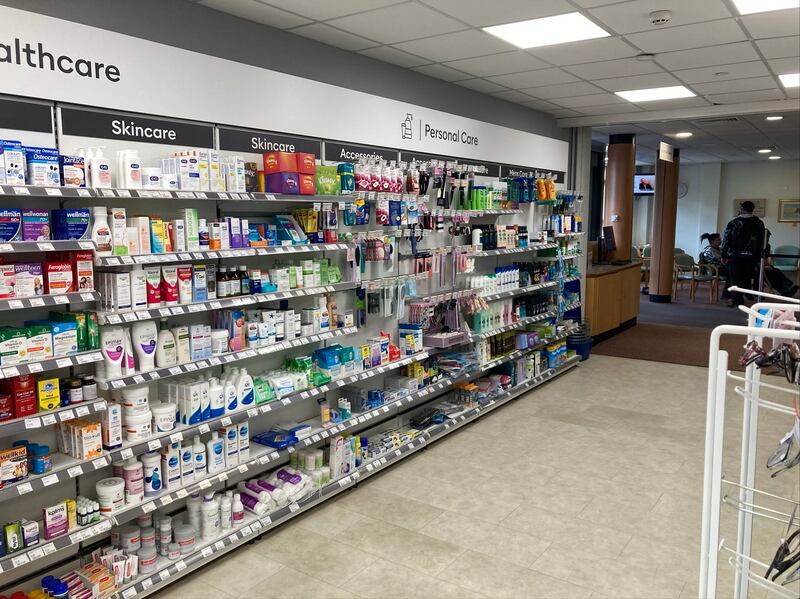
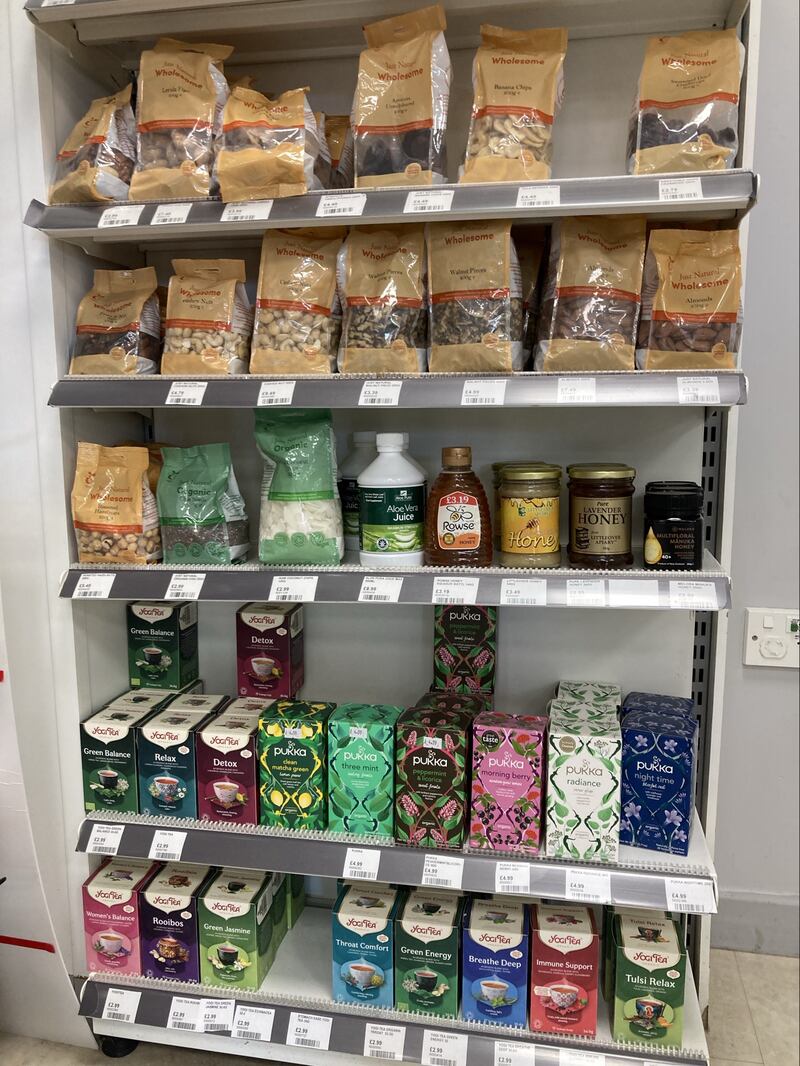
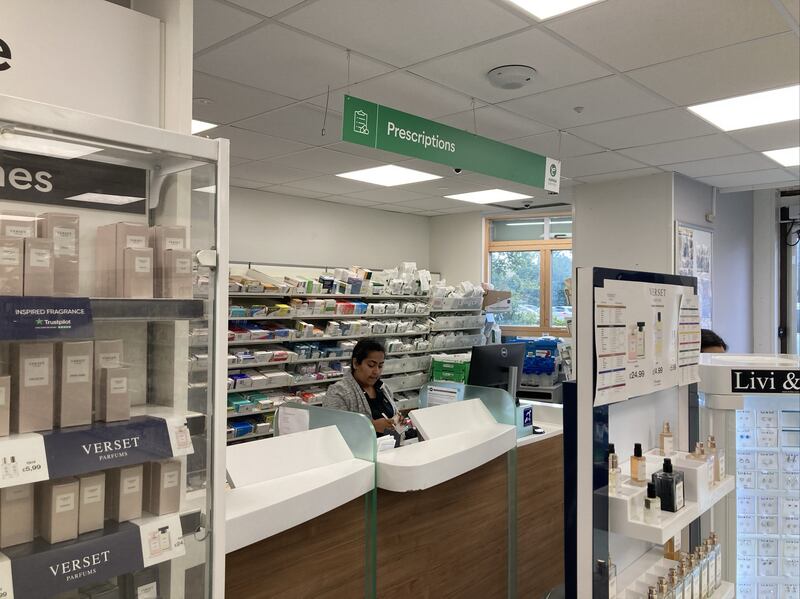
Along with shelves of OTC medication, foot health products and perfumes, there are healthy food options, supplements, vitamins and baby products that fill the corridor between the primary care centre waiting area to the dispensary. There’s even a jewellery cabinet by the counter (it sells well).
Singh and Purewal switch their roles to ensure they deliver as many services as possible from their one consultation room, as the other will manage the dispensary at the same time.
Read more: A pharmacist abroad - what happened when I decided to practice in Canada?
Mornings are busy for Pharmacy First referrals, while the later on in the day, the private services for travel vaccines, chickenpox, shingles, Covid vaccines are done.
There are plans to make the consultation room bigger ahead of the introduction of independent prescribing so Singh can consult in similar fashion to a GP surgery.
Singh wants to offer more private services for minor illnesses and skin conditions. But he believes the scope of Pharmacy First conditions should be extended, such as adult ear infections.
Read more: Pharmacists offer COVID-19 jab to the homeless in charity event
He concedes there’s a complication with how it currently works. “On the one hand, we call it Pharmacy First so surely the patient coming into the pharmacy first makes sense because that is what the service is called.
“But on the flip side, we want the patient to go to the GP surgery first so it can then refer to us so we get a payment for doing the work.
“If the patient comes directly to us, we don’t get paid for that. GP surgeries argument is ‘this is Pharmacy First – why are you getting us to do this work?’ Something definitely needs to be fixed.”
Licence issues
One of the next steps for Malmesbury Pharmacy is to hire an accuracy checking pharmacy technician to manage the dispensary and allow Singh and Purewal to focus more on services.
But of more immediate concern, Singh is negotiating with NHS England to change the core hours of the pharmacy.
Read more: Wicker Pharmacy forced to downsize amid ‘lack of funding’
Singh is waiting for the upcoming changes to core hours coming in next week that will hopefully help the situation, as the pharmacy has the same licence from what it took over from Boots.
It’s open until 9pm midweek which is very late considering the small local population. He’s trying to swap his last opening hour for the 1-2pm lunchtime slot at the very least to help improve the opening hours.
Items dispensed on average per month
11,400
Services
- Travel clinic
- Chickenpox
- Pharmacy First
- Blood pressure checks
- Flu jabs
- Covid-19 jabs
Consultation rooms
One
In-store technology
Pharmace app (prescription notifications)
“At lunchtime, the surgery, the 100-bed care home next door and the dentist are open and I’m trying to use that hour to open at lunchtime because within seven miles, no other pharmacy is open during that time.”
Singh says it does give the pharmacy “time to catch up” and their “fastest dispenser” has little distraction in the evening.
“It’s why our turnaround is what it is, so the prescription will come in and the patient will get a message the next morning.”
Read more: Should pharmacy hit the jackpot?
But it’s spreading his staff thinly and he believes he could do “a better service by having the same number of staff in shorter hours when patients actually need us”.
“With these hours, and the way the funding works, we can’t carry on. The other option is people will stop getting access to us in the morning because we’re going to just open late. Something’s got to give.”
Contract ‘not enough’
Singh is a National Pharmacy Association (NPA) member but decided against taking part in the days of protest action last year, having just opened and with his attention focused on building relationships with local patients.
He believes the new funding contact announced in April has “silenced us for a little bit” to prevent collective action. The NPA decided against recommending collective action two months ago despite members voting in favour of it in November.
“We can’t allow patients to not have their medicine. But we have to pay from our own pocket. How can we keep sustaining that?”
“Pharmacies have never been known to strike so it was a big decision initially to say we are going to. The contract has gone in the right step but it’s just not enough.
“Some of the services money they have increased, but they bundled some together so it’s much harder to achieve those thresholds. With National Insurance, we have to pay for those whereas some other sectors got relief.”
He adds that drug reimbursement prices should be one of the key priorities for the government to look into.
Read more: Pharmacy closed by GP landlord ‘without notice’ after rent row
“Pharmacy’s core is items. We have to be paid appropriately per item. We’re being underpaid for a lot of drugs. It’s life-saving medication, but when we wear our business or owner hat, what trumps all of those is the clinical hat.
“We can’t allow patients to not have their medicine. But we have to pay from our own pocket. How can we keep sustaining that?”
Rewarding
Singh admits it has been “stressful and draining” at times in the first 10 months of opening, but the rewarding feedback from patients gives him “that boost to wake up the next morning”.
The hard work put in by Singh and Purewal has led them to become the trusted pharmacy for some of the 3,500 staff based at the technology campus of vacuum titans Dyson in the north of Malmesbury.
Read more: Pharmacy says it needs a 40% rent cut to stay in health centre location
“It’s such a lovely area to work in. When you enjoy your work, it just feels an extension of our home life. It doesn’t feel like a burden.”
Malmesbury Pharmacy’s positive impact locally saw it nominated in the town council’s citizen of the year awards for best organisation/group of the year.
But it was his role working for NHS test and trace in 2020, which included Singh translating essential Covid information videos into Punjabi, that made him appreciate the importance of local healthcare through a reliable community pharmacy.
Read more: Pharmacies can ‘change’ core hours under new contract
“We are the door to the NHS. You’ll see people come in for random conversations and advice. It’s all unfunded, but we are making a difference and touching people’s hearts in community pharmacy.
“We can’t have pharmacies disappearing any more than they already have, because we are a lifeline for people.”