This autumn, between flu and Covid jabs, people have been telling me about their lives. A carer worried about money. A woman whose husband had just been diagnosed. For some, I suspect it was the longest conversation they’d had all week.
Few jobs give you the ear of the street, the frontline staff and the people at the top. Mine does, from the counter and, as a national business awards judge, the boardroom. Rarely does what one group knows reach the others.
Same market, different outcomes
Read most reports and you’d think pharmacy is simply a victim of forces beyond its control: funding, rents, workforce and online competition. Those pressures are real, but not the whole story.
In recent years, national chains have closed hundreds of branches, and many family-run independents have shut their doors too. Yet some pharmacy businesses, including one of the UK’s largest family-owned groups, have been buying pharmacies and growing. Same market, different outcomes.
The difference lies partly in decisions made inside the business: how close it stays to its communities, how far it trusts its pharmacists, and how quickly it adapts.
What a head office can’t see
I’ve seen the gap from both sides: the visit from head office that comes to give instructions rather than to learn, and the staff who roll their eyes the moment the car pulls away.
That gap has a cost. I once worked in a branch in one of England’s most deprived wards that was told to stock premium razor blades and expensive cosmetics, because every other branch did. The manager warned they wouldn’t sell. He was ignored. They didn’t sell. They were stolen. Shoplifting soared, staff spent their days guarding shelves instead of serving patients, and the branch lost money. It was eventually closed and sold.
Nobody asked the people on the counter. They could have explained it in five minutes.
Pharmacy teams know who lives alone, which family is struggling, and who needs a few extra minutes at the counter. The businesses that last act on it.
Who owns the counter matters
I once spent a day with Steve Smith, Poundland’s founder and a friend, as he showed me where the business began. His passion for it was impossible to miss. So it was hard to watch him tell BBC Newsnight that he was “gutted”. The owner bought the chain for £1 last year, hundreds of stores closed, and then sales started to recover. A rescue bid backed by its own management would reportedly keep every remaining store and job. Yet the owner is reportedly leaning towards breaking the business up. Steve is now involved in a petition to save it, and the story may have moved on by the time this is read. The question it raises will not.
That recovery was earned on the shop floor, but the people who earned it have little say in what happens next.
Compare businesses built to last. John Lewis is owned by its staff, and when it hit hard years, its owners stayed and fixed it. At Lush, no outside buyer can take control without the agreement of a staff trust. Specsavers stores are part-owned by the professionals who run them, and that family-owned pharmacy group now lets pharmacist managers buy a stake in the branch they run.
Employee ownership doesn’t guarantee success. What it buys is owners with a long-term stake, and time to recover instead of being broken up. It also recognises something every pharmacy team knows: to a patient, the person at the counter is the pharmacy.
Four things worth doing
Look after your people. Margins are tight, but pay as fairly as you can, share success, and show staff a clear way up the ladder. Ask what they think, and act on what you hear. In a profession short of staff, people who feel valued stay.
Trust the counter. Give managers and teams the freedom to shape their branch around their community.
Plan who owns it next. Owners thinking of retiring or selling should look at co-ownership or an employee ownership trust before the highest bidder. Don’t leave the people who built the business out of its future.
Take a seat. Business improvement districts, place partnerships and the new neighbourhood boards are deciding the future of high streets. Pharmacy holds knowledge those rooms badly need, and it should ask to join them.
Heard as well as seen
Few high street businesses offer what a pharmacy does: walk in without an appointment and talk to a highly trained professional who knows your name. As loneliness grows, the counter has become one of a community’s last defences.
The high street is not helpless. Neither is community pharmacy. It has been holding communities together, quietly, for generations.
It’s time it was heard as well as seen.
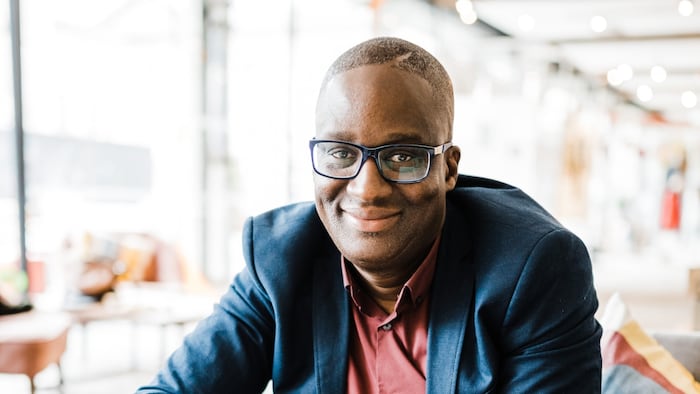
Steven N Adjei is a community pharmacist, author of “Chasing Permanence: How Businesses on our High Streets Can Adapt and Thrive” and founder of the Inclusive High Street Forum.