Pharmacy education in the UK is undergoing a transformative shift, as independent prescribing becomes a part of the MPharm degree. Starting in 2026, all newly qualified pharmacists will be able to prescribe medications upon registration.
As a senior lecturer in pharmacy practice, I have the privilege of teaching the first cohort of final-year pharmacy students who will qualify as prescribers upon graduation. I help students develop key skills for safe prescribing, including structured patient consultations, teamwork, leadership, decision-making and clinical examination skills.
Many students are excited by the prospect of qualifying as prescribers. They see it as an opportunity to enhance their careers and feel that this added qualification will increase their employability.
Read more: ‘Very desperate’: Boom in pay-for-DPP services as GP surgery ‘doors close’
Some students are particularly enthusiastic about being able to prescribe within clinical areas they are passionate about, such as cardiovascular, diabetes or oncology care. This new role allows them to not only specialise further but also expand the breadth of their practice.
Additionally, many students are eager to address polypharmacy by deprescribing unnecessary medications, reducing side effects and preventing drug interactions.
How are student concerns managed?
Despite the exciting opportunities, concerns about qualifying as a prescriber are common. A primary worry among students is defining the scope of their practice.
Some feel more confident in certain clinical areas, causing anxiety about selecting the right focus. This uncertainty is more common among students in the earlier years of their studies who may worry about being prepared to prescribe safely.
Read more: Pathfinder pharmacies set to start generating electronic NHS prescriptions
However, as students progress to their final year of the MPharm, these concerns are likely to ease. Increased placements, workshops and simulations provide practical experience, building confidence and competence.
Moreover, the foundation year after graduation is specifically designed to ensure that students are prescriber-ready, supporting a smooth transition into their new roles.

Active learning, such as workshops and simulations, has proven invaluable in preparing students for their future roles as prescribers. These sessions give students the opportunity to engage in realistic scenarios, where they perform physical exams, solve clinical cases and make evidence-based decisions.
Role-play exercises with peers and medical actors have helped build confidence in their consultation skills and prescribing abilities. Placements, particularly in GP and hospital settings, have also been a key component of students’ learning experiences. These placements allow students to observe prescribers in action and better understand how their future practice might look.
Read more: ‘Fully funded’ workshops to underpin IP training in Wales
However, some students feel community pharmacy placements are less useful for preparing them for prescribing, due to the limited role of prescribing pharmacists. While advanced services like Pharmacy First are growing, they are still mainly delivered by non-prescribers through patient group directions (PGDs), leaving students uncertain about prescribing integration in community pharmacy.
There are concerns about pressures from other healthcare professionals, such as doctors, to prescribe beyond their comfort zones. This is compounded by the reality that some existing prescribing pharmacists already face similar pressures, which can be even more daunting for those who are newly qualified.
To address this, workshops focusing on leadership, management, and assertiveness are essential for pharmacy students. These skills are just as important as clinical knowledge, as they equip students to navigate workplace challenges confidently and effectively.
Patient safety and ethics
Patient care in the modern healthcare landscape can be complex, with many individuals presenting with multiple co-morbidities. This is especially true for groups such as the elderly, paediatrics and patients with hepatic or renal impairment.
For newly qualified prescribing pharmacists, it is crucial to prioritise patient safety and maintain competence throughout their careers. They will need to work under clinical supervision and consult with experienced clinicians or refer patients to specialists before making prescribing decisions.
The legal and ethical implications of prescribing also carry significant weight. Newly qualified pharmacists will face the challenge of making informed and ethical decisions while respecting patient autonomy and adhering to legal regulations.
Read more: IP: Trainee pharmacists must have clinical prescribing area from 2025/26
While pharmacists with several years of experience can navigate ethical dilemmas and decision-making with greater ease, newly qualified prescribers will require close supervision to help them develop these critical skills. Ensuring appropriate indemnity insurance is also crucial to protect both the pharmacist and the patient.
After finishing the MPharm, students complete the 12-month foundation training year and work with a designated prescribing practitioner (DPP) who will oversee and assess their prescribing skills. Successful completion of the prescribing assessment activities ensures they can prescribe safely as novice prescribers.
This year helps them understand their limits and emphasises the importance of continuous professional development to expand their prescribing skills after registration.
Read more: How you can thrive as a new independent prescriber
Integrating independent prescribing into the MPharm is a major advancement in UK pharmacy education. While exciting, prescribing responsibilities require thorough preparation, support and continuous development.
With proper training, newly qualified pharmacists will be equipped to navigate patient care complexities and improve healthcare outcomes.
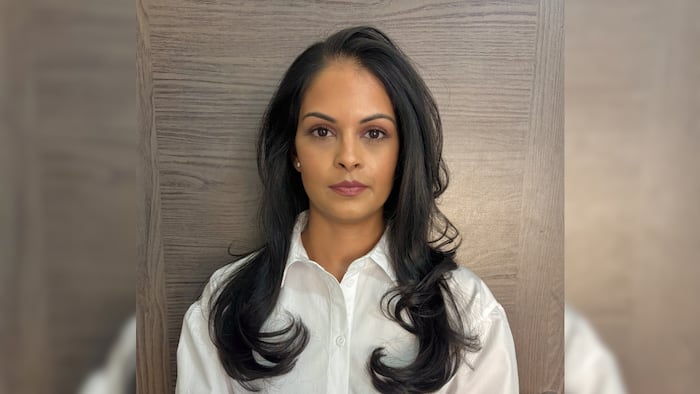
Shurti Patel Aina is a senior lecturer in pharmacy practice at the University of Hertfordshire and a senior clinical pharmacist at Oakwood Medical Centre