As pharmacies nationwide work on proposals for the government’s £85m obesity pathway innovation programme, at least one integrated care board (ICB) has withdrawn its bid amid the ICB restructuring causing turmoil across England.
Community Pharmacy West Yorkshire (CPWY) told C+D in early September that it was “working in close partnership with the West Yorkshire ICB” to develop “a new obesity pathway” to put forward for funding.
It said the pathway was in its “early design phase”, but that CPWY was seeing “strong enthusiasm across West Yorkshire” about NHS-funded weight management services being delivered through community pharmacy settings.
By mid-September, however, the West Yorkshire ICB (WYICB) had pulled itself from the programme.
Ongoing uncertainty
CPWY said the decision was down to a lack of “resources to support the project” as the WYICB works to drastically reduce its headcount - an instruction given to ICBs countrywide as part of government plans to absorb NHS England (NHSE) over a two-year period.
The WYICB also told C+D that it “did not feel able to commit to such a significant programme of work” due to “the ongoing uncertainty around future ICB functions and the impact of running cost reductions”.
“We will continue to keep this under review as further clarity emerges,” it added.
It comes as “growing numbers of ICBs” have paused plans to cut their workforce due to difficulty covering the costs involved, according to the Guardian, while the HSJ reports that seven ICB chiefs have stepped down in recent weeks.
Read more: ICB cuts will cause ‘turmoil’ at a local level, CPE warns
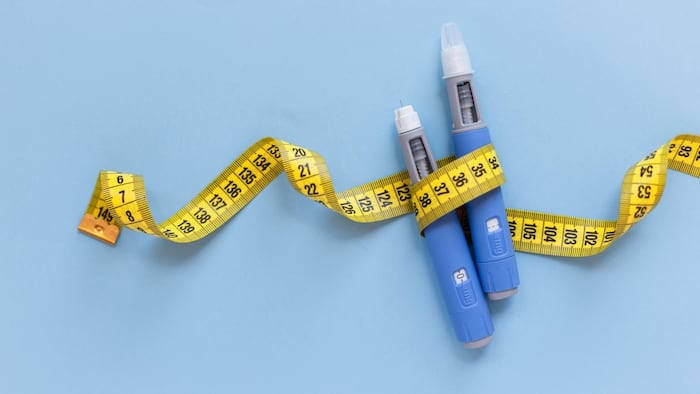
The £85m obesity pathway programme was launched in August, backed by the government and pharmaceutical company Eli Lilly, to pilot “new ways to support patients living with obesity” in the UK.
It invited healthcare stakeholders to submit pilots for innovative obesity treatment services delivered “through pharmacies and community access”.
C+D has learned at least nine local pharmaceutical committees (LPCs) or community pharmacy groups are either developing a bid for the programme, or in talks to submit one.
But the WYICB’s withdrawal offers a glimpse at how ICB restructuring costs could impact the expansion of weight management services to pharmacy settings - something the prime minister has hinted at pursuing as part of the government’s new 10-year plan for the NHS.
Local “turmoil”
In March this year, Prime Minister Keir Starmer announced plans to abolish NHSE and cut ICB headcounts by 50% - leaving some 12,500 ICB staff at risk of losing their jobs.
NHSE chief executive Sir Jim Mackey then revealed in May that while dates for restructuring ICBs are not “nailed down”, the job cuts must be “done” by “the end of quarter three”.
Read more: Pharmacies to pilot NHS weight loss jab expansion, reports claim
That same month, Community Pharmacy England’s NHS services director Alastair Buxton warned that workforce cuts at ICBs will lead to local “turmoil” within the NHS.
“I know we’re all quite used to that because we’ve all seen it many times before, but it’s just another thing that often delays progress at a local level,” he said.
Buxton added that when it comes to “plans for integrated neighbourhood teams” - to be rolled out as part of the NHS 10-year plan - pharmacies will not be able to “get involved” without “effective funding”.
Read more: Sir Jim Mackey: ICB job cuts ‘need to be done’ by December
The government has said the innovative obesity pilots could be rolled out “as early as summer 2026” - but even for the LPCs whose submissions are moving forward, this target may be optimistic.
Community Pharmacy London chair Raj Matharu told C+D that while he recognises “the scale of the challenge ahead”, he is “confident” that - “with continued collaboration and support” - the government’s ambition can be achieved.
But at the same time, he adds, “we must be realistic about the financial pressures facing ICBs and the wider community pharmacy sector.”