A neurodivergent young woman with autism took her own life after she was kept on a medication regime that had been “unsuccessful in the past” and was discharged from mental detention, despite still posing “a real and immediate risk” to herself, a coroner has found.
According to a prevention of future deaths report published on August 13, Abbigail Smith was 26 when she died in 2022, with the coroner ruling that her death was by suicide.
“A number of failings”
The report said that Smith had “spent most of her adult life in detention” and had been discharged under the Mental Health Act on 14 February 2022, the day before she took her own life.
Sonia Hayes, area coroner for Essex, identified “a number of failings” that contributed to Smith’s death.
Read more: Coroner calls for more guidance on hepatitis B reactivation prescribing
Firstly, despite being “an extremely complex patient”, Smith was seen by “very junior clinicians”. Hayes also identified omissions of “significant information” from Smith’s medical records and the mistaken inclusion of information that related to “another patient”.
Unsuccessful
Following a positive response to the medication Clozapine and the ceasing of attempts to end her life, Smith was moved into supported living.
However, in September/October 2021, when Smith “suffered a deterioration in her mental health with reported non-compliance of Clozapine medication”, the directions of the consultant psychiatrist were not followed up and Smith continued taking a smaller dose of Clozapine, “a medication regime that was known not to work”.
Read more: Coroner warns of prescribing errors after prison death
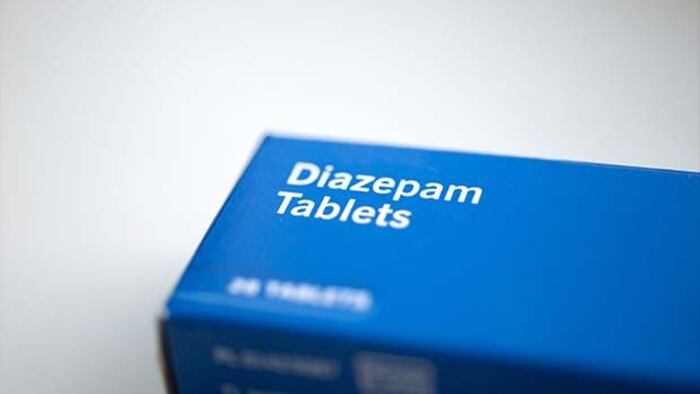
While her Clozapine dosage was re-titrated, Smith was given a “short-term prescription of Diazepam” to alleviate symptoms. However, the Diazepam “was incorrectly continued as a permanent prescription in the absence of a medical review and this was not compliant with the NICE Guidelines”.
Lack of neurodiversity training
Hayes also noted that staff were “not trained in autism or how to communicate with Smith as a neurodivergent person with a learning disability” and that there were “no up-to-date care plans and risk assessments in place for Smith during her detention and when she was discharged”.
In order for Smith to be discharged, community mental health staff required three conditions to be met, however none of them had been when she was allowed to return to assisted living on February 14.
Despite Smith’s care coordinator escalating concerns about Smith’s risk to herself, she was still discharged “without further discussion with professionals about an appropriate care plan”.
Read more: ‘Highly toxic’: Coroner warns GPs of propranolol overdose risk
The coroner concluded that Smith “was a complex young woman who suffered an obvious and predicted deterioration”.
She said that Smith was discharged “with a real and immediate risk to her life” and called her death “avoidable and contributed to by neglect.”