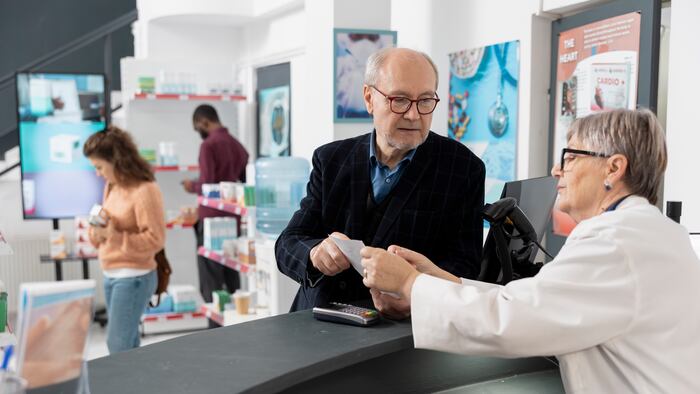
An “Unfilled Prescription” report, published by the Men’s Health Forum alongside Opella, found that 92% of men surveyed said they “use their local pharmacy” - but 74% leave without ever discussing their health.
And according to the research conducted by Censuswide, which spoke to 1,675 respondents aged 18-65, 33% of men reported a “perception that seeking help is a sign of weakness”.
Read more: Antidepressants: MHRA to ‘strengthen’ leaflet suicide warning
A further 22% expressed a “discomfort discussing health issues in a public retail space”, with the respondents claiming this led to a “common tendency to delay seeking medical advice” for 36% of them.
More than half of the men surveyed, or 57%, said they had suffered “negative impacts” after not seeking medical advice. These included 15% of men who missed work and 12% saying it had “strained personal relationships”.
Privacy
But the research also found that men “are willing to engage if the environment is right”, with 24% saying they would be more likely to talk if the “conversation was private” and 26% said they would be willing if the conversation could lead to an NHS referral.
The report emphasised “the valuable role the pharmacy sector can play as part of a wider effort to improve men’s health” and the Men’s Health Forum gave advice to help pharmacists encourage open conversations with male patients.
These might include creating a “welcoming space”, ensuring “privacy” for consultations, improving “access” to services, and offering “dedicated services” for men.
It also recommended nominating a “men’s health champion”, who would be specifically “trained in discussing men’s health issues”.
“Critical opportunity”
It also said that there is a “a critical opportunity to convert men’s regular presence in pharmacies into greater engagement with preventative health services”.
Men’s Health Forum editor Jim Pollard said that “with the UK government rightly hoping to leverage pharmacies to relieve pressure on the NHS, this report is a clear call to action”.
“By addressing the specific barriers preventing men from seeking advice, we can unlock the potential of pharmacies to become the front door to the health system for them.”
Opella UK head Nick Linton said “community pharmacies are the frontline of our health service, and we are committed to supporting them”.
Read more: LPC chiefs: Pharmacies should be mental health ‘first point of care’
It comes after a study published in February found that pharmacists speaking to men who were facing risk of suicide were “more likely to take the issue seriously”.
The study from the University of Western Australia also discovered that despite taking women’s risk less seriously, pharmacists approached women expressing suicidality with greater empathy.
Read more: Clinical podcast: How can pharmacists protect their own mental health?
And it follows the University of Bradford in January 2024 offering “70 more specialist mental health pharmacist training places” for a further two years.
It was designed to help pharmacists treat “individuals with severe mental illness” more effectively.
