The UK’s first safe drug consumption facility (SDCF) was visited 2,691 times in its first four months of business – between January and April – Glasgow City Health and Social Care Partnership (HSCP) data has revealed.
Located in Glasgow, use of the facility more than doubled in the first two months after its opening, rising from 336 in January to 684 in February.
Usage of the service continued to grow, increasing to 864 in March before falling slightly to 847 in April.
Read more: ‘No role for pharmacists’ in UK’s first safe drug consumption room
The facility is the first space in the UK where “people can consume drugs, obtained elsewhere, in the presence of trained health and social care professionals”, according to Glasgow HSCP.
It focuses on “reducing the harms associated with injecting drug use”, helps people to “access appropriate services to meet their needs” and reduces “the risk of overdose and infectious disease”, it added.
Read more: Pharmacies to boost naloxone stock amid ‘sudden’ overdose spike
In the same time period, a total of 246 “unique service users” attended the facility, of which 201 were male and 45 were female, the Glasgow HSCP said.
Cocaine was the most used substance between January and April, amounting to 68.2% of usage in April, compared to 23.7% of heroin and 8.1% of heroin and cocaine together in the same month.
“Sudden” overdose spike
The SDCF also reported 1,976 “injecting episodes” between January and April as well as 30 “medical emergencies” where staff intervention was required, including resuscitation or the administration of oxygen or naloxone.
It comes after C+D learned during the planning phase last August that there was “no role identified for pharmacists” in the facility.
“At this stage” there are no plans for pharmacists to be among the “health and social care professionals” staffing the facility, a Glasgow HSCP spokesperson said at the time.
Read more: Pharmacies set to supply take-home naloxone without a prescription
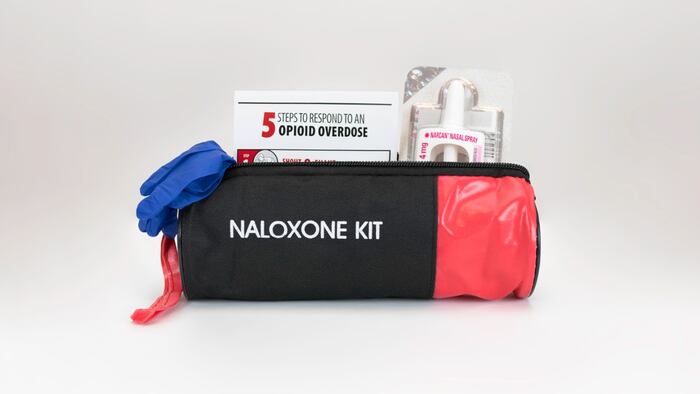
Meanwhile, the government announced last May that it would give pharmacists and pharmacy technicians the power to supply take-home naloxone – a medicine used to reverse the effects of an opiate overdose – for future use without a prescription.
And a charity partnership announced in February saw over 60 pharmacies and over 300 pharmacy staff in Fife sign up to offer life-saving take-home naloxone services.
The following month, Community Pharmacy Scotland (CPS) published a warning about “a sudden increase in overdoses” and advised pharmacy teams to ensure staff are “familiar with the signs of overdose” and have “appropriate stock” of naloxone.