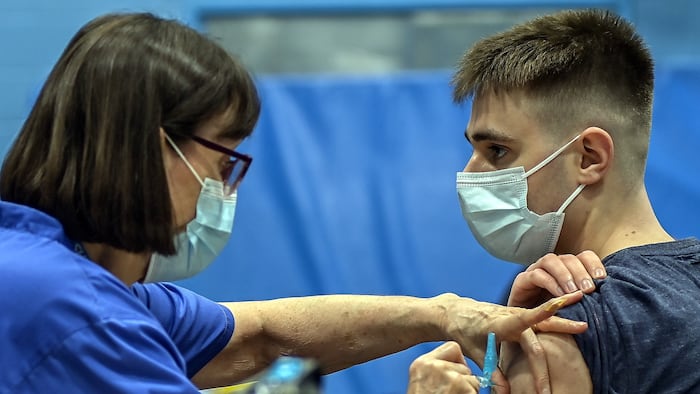
Almost 75% of young people eligible for the meningitis B (MenB) vaccine have not had the jab, according to the UK Health Services Authority’s (UKHSA) first interim report on the coverage of the one-off vaccination offer.
Published on September 1, the report revealed that just 26.6% of eligible year 13 pupils - 212,549 out of 799,840 - have had their first dose.
Lowest rates of vaccination in London
The report found that within the cohort more young women had been vaccinated than young men, at 31.5% compared with 21.9%.
London had the lowest proportion of vaccinated year 13s, at 21%, while South East England had the highest rates of young adults vaccinated, at 31.6%.
Read more: Scientists reveal reason behind Kent MenB outbreak severity
The report found “wide differences in vaccine coverage” between the most deprived and the least deprived areas. Just 11.8% of year 13s living in the most deprived areas were protected against menB, while 45% in the least deprived areas had taken the vaccine.
The UKHSA also identified “considerable differences among ethnic groups”. Those of Chinese ethnicity were most likely to be vaccinated at 42.9%, followed by Asian or Asian British-Indian at 36.5%, Mixed (White and Asian) at 34.8% and White British at 31.5%.
Read more: Pharmacies deliver quarter of a million MenB vaccines
The report said that “coverage in all other ethnic groups was markedly lower”.
NHS director of vaccination Caroline Temmink said the NHS wanted to “reach more young people” and stressed that the “offer of MenB vaccination remains in place at high street pharmacies across the country”.
“Unpredictably dangerous”
A consultant epidemiologist at the UKHSA, Dr Sharif Ismail said “we know how devastating MenB can be. The outbreaks in England this year tragically caused 3 deaths and left some who survived now facing life-long health consequences”.
“Our recent genomics study also highlights how suddenly and unpredictably dangerous new strains of MenB can emerge,” he added.
“The MenB vaccine offer for students and young people is underway – it’s vital everyone eligible gets two doses of the vaccine to be protected.”
Read more: ‘Flying start’: Tens of thousands receive MenB vaccine in fortnight
It comes after scientists used genome sequencing to test the bacteria responsible for Kent’s MenB outbreak earlier this year.
They found that the outbreak bacteria “had picked up genetic material from other, less harmful bacteria found naturally in the throats of many healthy people”, altering its reaction to human cells and making the strain “unusually effective at causing severe disease”.