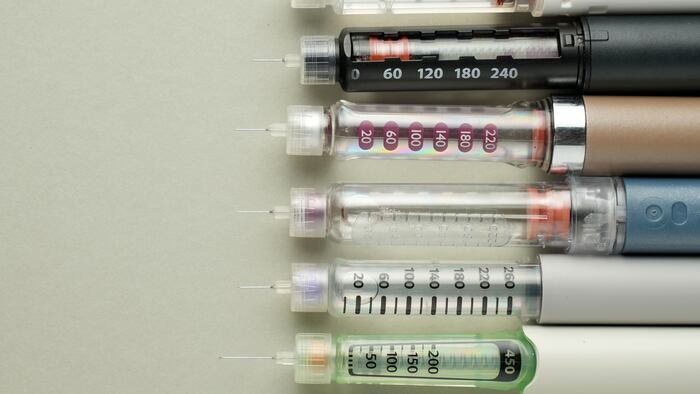
Patients switching from Mounjaro (tirzepatide) to Wegovy (semaglutide) surged last year as the price gap between the two medicines widened, new research has found.
LCP Health said today that the study, based on data from over one million UK adults accessing weight loss drugs from MedExpress, revealed that the proportion of users switching from tirzepatide to semaglutide increased from 0.1% in August 2025 to 7.3% in September, then to 10.4% in October of the same year.
Read more: ASA bans weight loss pill ads by Voy, Juniper and MedExpress
LCP Health said the trend came amid drug price changes that saw the average starting-dose prices for tirzepatide rise from £143 to £157 between last August and September, while semaglutide prices fell from £116 to £101.
It added that while tirzepatide initially made up 90% of patients’ first prescriptions, “semaglutide’s share of new treatment starts rose from 4% in July 2025 to 40% by October”.
But LCP Health acknowledged that the findings “cannot isolate the September price increase from other factors impacting behavior, such as product availability or advertising”.
Read more: Weight loss management services must be ‘overhauled’, say MPs
The study also noted that women accounted for “nearly 80%” of all weight loss treatment users analysed.
And among adults aged 35 to 44 with overweight or obesity, 8% of women accessed treatment through MedExpress, compared with just 2% of men.
The research found that “weight loss was greater among patients who initiated treatment with tirzepatide than with semaglutide, reaching an estimated 19.9% at 12 months, compared with 16.4% for semaglutide users”.
Affordability “increasingly important”
LCP Health head of real-world evidence Dr Ben Bray said the findings “highlight how pricing may influence both treatment initiation and switching behaviour, suggesting that affordability is playing an increasingly important role in treatment choice”.
MedExpress head of medical affairs Dr Sophie Dix said that “for many patients, these medicines represent a significant financial commitment”.
“As access to weight loss medication continues to evolve, understanding how patients make these decisions in the real world will be essential to ensuring treatment remains both clinically appropriate and sustainable,” she added.
Read more: Around £2m of fake weight loss jabs seized in MHRA raid
And she noted that “while both medicines demonstrated substantial weight loss in this study, treatment decisions should be guided by individual clinical needs”.
It comes after the Advertising Standards Authority took action against MedExpress earlier this month for promoting prescription-only weight loss pills to the public.
And it follows a report by the parliamentary Health and Social Care Select Committee last month calling for the government’s approach to weight loss management to be “fundamentally reimagined”.