A pharmacist is co-leading new dementia research into boxes of objects that could help memory recall, Boots and the University of Nottingham (UoN) announced this week.
The multiple and the university are co-funding the research to explore how multi-sensory, place-based memory boxes can be used as a social prescribing tool in dementia care.
Pharmacist and UoN health policy professor Tracey Thornley is co-leading the eight-month research programme with UoN linguistics professor Svenja Adolphs, to build on previous research around sensory simulation.
Read more: Why should your pharmacy team become ‘dementia friends’?
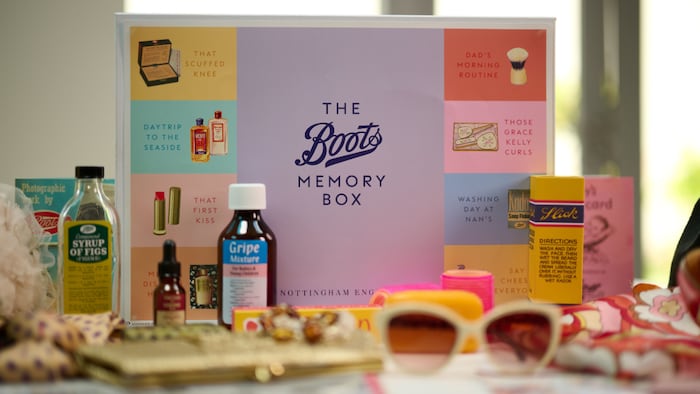
It follows Boots’ Memory Box initiative, launched for Dementia Action Week last year, which saw the retailer distribute over 1,000 boxes to care homes and carers around the UK.
The boxes were inspired by Boots’ historical health and beauty range, and highlighted how “familiar objects and sensory cues can help stimulate memory recall and support meaningful moments of connection”, Boots said.
“Social, sensory and relational”
Thornley previously held roles with the UK Health Security Agency, the Royal Pharmaceutical Society and Boots, and has been an expert on antimicrobial resistance advisory groups.
Her evaluation will gather perspectives from healthcare professionals including pharmacists, as well as those with dementia and their families, carers and care home teams, to understand the “benefits, enablers and barriers to wider rollout” of the boxes.
Read more: N10 Dementia friends resources
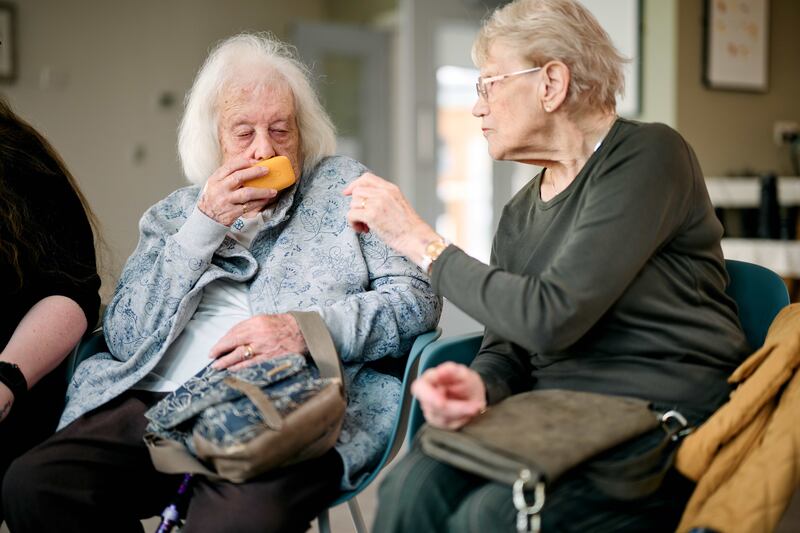
Thornley said that “too often we think of care only in terms of medicines, yet some of the most powerful ‘nudges’ for health and wellbeing are social, sensory and relational”.
“Community pharmacists already play a vital role beyond dispensing, supporting people and families to manage long‑term conditions in everyday life,” she added.
“This research explores how tools like memory boxes can sit alongside medicines as a form of social prescribing, strengthening connection and quality of life for people living with dementia.”
Read more: Memory enhancing properties
The sensory items in Boots’ Memory Boxes included lavender bath salts, hair rollers, powder compact and coal tar soap.
Boots archivist Sophie Clapp said the boxes were created to help those living with dementia and their families or carers “feel included and reconnect through shared experiences”.
“Sometimes all it takes is a familiar object, a scent or a sound from times gone by to open up an important conversation,” she added.
Read more: CPD: Why should your pharmacy team become ‘dementia friends’?
It comes after the government announced in July that it will create a “new genomics population health service”, with the potential for rollout of “genomic insights” for conditions such as dementia.
And it follows a study last January finding that the use of weight loss drugs were associated with a “reduced risk of substance use” and “neurocognitive disorders” including Alzheimer’s and dementia.