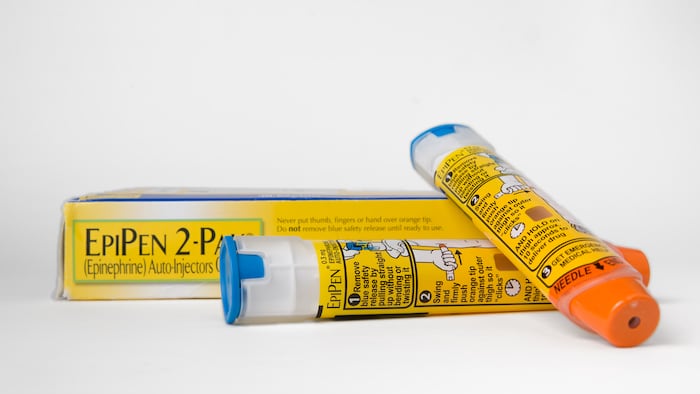
Allergy training for pharmacists and other health professionals is “inconsistent” and must be improved, the National Allergy Strategy Group (NASG) has urged.
The group said its first National Allergy Strategy, published April 20, was created in response “to a growing and hitherto unresolved crisis” and “has for the first time united the whole allergy community with one voice”.
The NASG is an alliance between the British Society of Allergy and Clinical Immunology (BSACI) and the patient charities Allergy UK, Anaphylaxis UK and Natasha Allergy Research Foundation.
Read more: Opinion: The DH needs to act on allergies after latest death
It said the Strategy makes recommendations for “a range of public sector bodies” including healthcare providers and government departments.
One recommendation is that the government should “expand and upskill” the NHS workforce, including pharmacy, by “increasing training numbers, creating flexible development routes” and “scaling” the BSACI’s Allergy Education Network Allergy Capabilities Framework.
Current training “inconsistent”
The Strategy noted that the current allergy training for “allied health professionals” including pharmacists is “inconsistent despite their central roles in safe allergy care and patient education”.
It also raised concerns that “basic skills are often missing in community settings”, such as “correct inhaler or nasal spray technique education, training on how to use self-administered adrenaline, trigger avoidance counselling and food label literacy”.
And it said that one of its key objectives is developing the “community provision of allergy care through effective education and training” to bring “high-quality allergy care closer to patients and support more cost-effective service delivery”.
Read more: Pharmacist unable to prevent Costa allergy death due to EpiPen shortage
Training that helps community pharmacists to ”facilitate patient self-care” and “improve access to effective allergy medications” would result in better access to “low-cost, proven allergy medications available over the counter”, it added.
The NASG also advised that “all healthcare professionals” should receive “core and ongoing education in allergy to ensure the workforce has the knowledge and skills required to deliver safe, consistent and high-quality care”.
Read more: The quick-thinking pharmacist who saved a patient in anaphylactic shock
It comes after a coroner in 2024 found that a pharmacist was unable to save a girl who died from a severe allergic reaction to a Costa Coffee drink “due to a national shortage of adrenaline auto injectors”.
The coroner said there was “a risk that future deaths could occur unless action is taken”, and sent her findings to health secretary Wes Streeting, NHS England’s national medical director and the chief executive of the General Pharmaceutical Council, among others.
