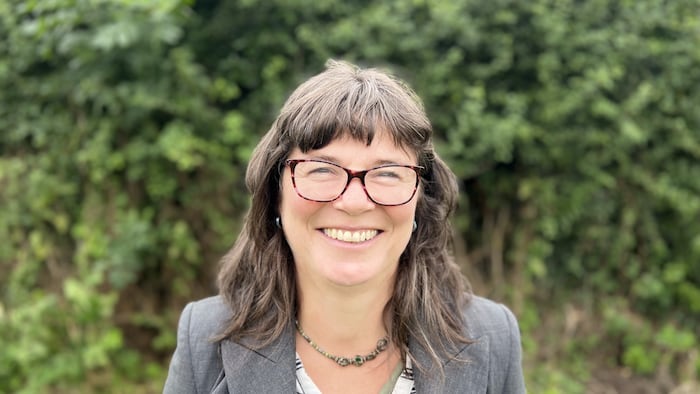
Community pharmacy leaders must be given “a seat at the table” in the design of Bristol’s new harm reduction models, Green Party councillor Cara Lavan has told C+D.
Bristol was declared the UK’s first “city of harm reduction” earlier this month, with the city’s Green-led council saying the move will signal its intention to “prioritise support over punishment” for drug users.
Read more: Pharmacists involved in London’s first drug checking service
Official figures show that deaths from drug poisoning in Bristol are almost twice the national rate, at 10.3 for every 100,000 deaths between 2022 and 2024, compared to 5.8 per 100,000 nationally wide.
Lavan, who proposed the motion, told C+D that harm reduction has been key part of community pharmacy’s role “for a very long time”, and that for many drug users, “their pharmacist and their team are important in their lives”.
Read more: One in five people used a pharmacy for advice in last year
But she said Bristol must ensure pharmacies are “brought along” as the city looks to upscale its harm reduction policy.
“It will be important to give pharmacy leaders locally a seat at the table to co-design new harm reduction models alongside the council, rather than be dictated to,” she added.
Funding is “critical”
Lavan acknowledged that pharmacy funding pressures pose an obstacle to expanding the sector’s role, adding that “some pharmacies have stopped needle and syringe programmes (NSPs) and supervised dosing services”.
“Critical to all this work is sufficient funding and while services are still underfunded, we risk continuing to lose harm reduction services,” she said.
Lavan added that “the support for pharmacy teams in harm reduction delivery fell dramatically when commissioning went from integrated care boards to local authorities”.
Read more: Pharmacists take men’s suicide risk more seriously, study finds
“Many pharmacies pivoted to more profitable, supported, clinical services in order to be financially viable,” she said. “We need to work hard to get them back into harm reduction.”
Beyond funding, Lavan told C+D that another challenge to address is the stigma some drug users can experience when accessing services at a pharmacy.
According to government figures, only around half of those who may benefit from opioid substitution therapy (OST) are currently receiving it in England.
Read more: Government proposes to make naloxone accessible on high street
“We will need to raise training and support offerings for pharmacies because we know that despite many supportive, dedicated pharmacy teams, for some people using pharmacy services is stigmatising and deters them from accessing treatment,” Lavan said.
“Sadly, these negative experiences can overshadow the positive ones.”
Accessibility and trust
But Lavan said the “strength that pharmacy teams offer in delivering evidence-based harm reduction lies in their accessibility and the trust they already hold”.
She added that “many pharmacists are skilled in working with people who experience multiple disadvantages”, such as people not in treatment who access NSPs, and “have unique access to this group”.
Read more: Team of the Year 2023, and proud of it! Meet the pharmacy helping Bristol’s most disadvantaged
Lavan also noted that community pharmacies “already give support through checking on wellbeing, signposting to services and liaising with prescribers when people miss three or more consecutive days of OST collections”.
“The challenge is, as we upscale harm reduction, to ensure pharmacies are brought along and we make the best use of their skills,” she said.
Read more: Pharmacies ‘should be at heart’ of HIV prevention, researchers say
It comes after the launch of London’s first public-facing drug checking service in March, following the success of the service in Bristol.
And it follows the government in January launching a consultation on expanding access to naloxone – a “life-saving” medicine used to reverse the effects of an opiate overdose – without a prescription.