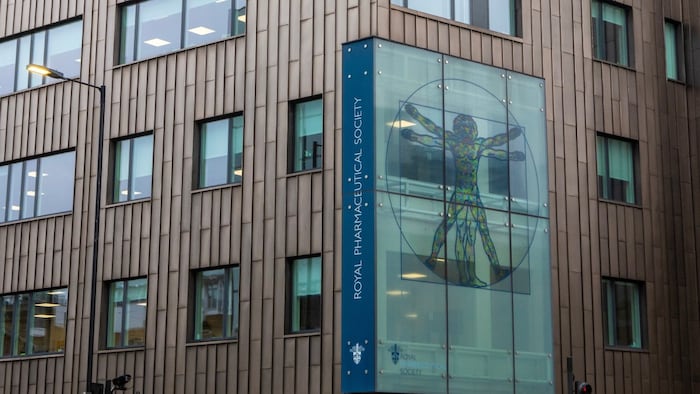
The RPS yesterday (August 19) revealed that it will “no longer require the existing chief officer roles”, outside of the chief executive position, as part of planned changes to its leadership team.
“The changes are announced as the organisation navigates the transformation that its members voted in favour of in March 2025” to become a royal college and register as a charity, it said.
Read more: RPS to become Royal College of Pharmacy after 31% voter turnout
According to the RPS, it will recruit for “several key leadership roles” including a director of pharmacy and director of education.
“The director of pharmacy will lead a team responsible for ensuring the profession and the public are at the heart of the organisation’s activities and ensure effective and influential leadership for pharmacy policy,” it told C+D.
They will “bring together the activity of the directors for Scotland, Wales and England, working closely with the three national councils” as well as leading the RPS’ “standards and guidance, patient safety and science and research functions”, it added.
“Pivotal moment”
RPS chief executive Paul Bennett will “continue to lead the organisation to ensure a successful transition to royal college, which is expected to be complete by mid-April 2026”, the body said.
He will then “step down from his role” once the transition is complete and deputy chief executive Karen Baxter will take his position on an “interim” basis and “[implement] the new strategy with the new executive team”, it added.
Bennett said that at this “pivotal moment”, it is important that the RPS establishes “a future leadership team with charity and royal college experience...to take forward [its] ambitions”.
Read more: RPS: Legal row erupts over two-thirds vote to change charter
“These appointments will ensure the organisation has the right skills, capabilities and structure in place to ensure the Royal College of Pharmacy can flourish and deliver its future strategy,” he added.
And RPS president Professor Claire Anderson said she was “confident these plans will ensure that both the royal college and publishing subsidiary will have the strong effective leadership in place at transition” that will “enable them to thrive”.
“We must all stand ready to support the royal college as it sets out to deliver the strong and collaborative professional leadership body that pharmacy deserves,” she added.
“Help shape future strategy”
Meanwhile, the RPS last week (August 13) invited the profession to weigh in on its “future royal college strategy”.
It invited pharmacists, pharmaceutical scientists, students and the “wider pharmacy community” to take part in a new series of online events this autumn to “help shape the future strategy of the organisation as it prepares to become a royal college”.
Read more: Royal college row: RPS hits back at critics as CPhOs say ‘vote yes’
RPS members will also be able to share their views via a survey in the autumn, while the body will hold “engagement sessions” at its Scottish and Welsh conferences and both members and non-members can provide feedback via feedback@rpharms.com, it said.
The new strategy will be “based on five commitments” previously set out by the RPS and “will provide the roadmap for the first five years of the new royal college”, it added.
Read more: P-meds: PDA slams ‘misguided and premature’ RPS U-turn
And the membership body will reveal the “key findings” of its engagement exercise at the RPS annual conference on November 8, it said.
It comes after seven in ten RPS members who took part in the ballot in March voted in favour of the controversial plans for the body to become a royal college.
The RPS said at the time that of the 19,594 members eligible to vote, only 6,144 submitted a vote, “making the voter turnout 31.4%”.