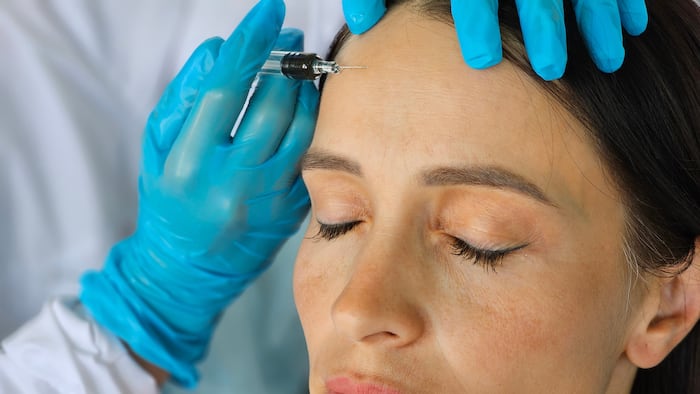
The DH last week (August 6) announced that it will introduce “tough new measures” to crack down on “cowboy cosmetic procedures that have left people maimed, injured and in need of urgent NHS care”.
This follows “growing alarm over unqualified individuals performing invasive treatments in unsafe environments, including homes, hotels and pop-up clinics”, which the National Pharmacy Association (NPA) raised concerns about in June.
According to the DH, the new regulations will be subject to public consultation – due to be published “early next year” – and parliamentary scrutiny before they are introduced.
Read more: Reports of unregulated ‘fat injections’ given in public toilets are ‘deeply alarming’, NPA warns
It explained that the crackdown comes after a “series of incidents” where patients received “high-risk treatments from people with little or no medical training”, leading to “dangerous complications” and “even death”.
Treatments such as botox and lip fillers will be subject to “stricter oversight through a new local authority licensing system”, the government said, adding that practitioners “must meet rigorous safety, training and insurance standards before they can legally operate”.
And for the “highest risk procedures” – which include “non-surgical Brazilian butt lifts” – qualified healthcare workers must be “providers that are registered with the Care Quality Commission (CQC)”, it added.
Read more: ‘Unregulated’ fat dissolver being sold in pharmacies, GPhC warns
It follows a consultation on the licensing of non-surgical cosmetic procedures that launched in September 2023 and garnered almost 12,000 responses demonstrating “widespread support for the introduction of regulation”.
Responding to the consultation last week (August 7), the DH said that “many regulated healthcare professionals working in cosmetics” argued that aesthetic procedures “should only be carried out by regulated healthcare professionals”.
Pharmacists were among the professions proposed for inclusion in this category, alongside doctors, nurses, midwives and dentists, it added.
“Rogue operators”
The DH also plans to “bring in restrictions for under 18s on high-risk cosmetic procedures, unless authorised by a healthcare professional”, it announced.
These measures will ensure that the treatment patients receive is “safe and of a high standard” and will provide businesses with “better protections”, it added.
While they’re being developed, the government “urges anyone considering a cosmetic procedure to check their provider’s qualifications and insurance, and to avoid treatments that appear suspiciously cheap”, it said.
Read more: Botched Botox and the law: A wake-up call for UK pharmacy
Health minister Karin Smyth said that the cosmetics industry “has been plagued by a Wild West of dodgy practitioners and procedures” that have caused “serious, catastrophic damage”.
“This isn’t about stopping anyone from getting treatments - it’s about preventing rogue operators from exploiting people at the expense of their safety”, she said, adding that it will reduce the cost to the NHS of “fixing botched procedures”.
British Beauty Council chief executive Millie Kendall stressed that the organisation has “worked tirelessly in pushing for increased regulation of the aesthetics sector since its inception”.
“Horror stories”
“Any measures that increase protection for the general public and professionalise the industry will help instill confidence [and] prevent the normalisation of horror stories that have become synonymous with our sector,” she said.
It comes after the General Pharmaceutical Council (GPhC) issued a warning in April about the “emerging issue” of unlicensed ‘Lemon Bottle’ injections – which claim to dissolve fat – taking place in some community pharmacies.
And in June, the NPA called the reports of fat injections and other cosmetic procedures being administered in “pop-up shops” in public toilets and hotel rooms “deeply alarming”.
Read more: From a lawyer: Ironing out the legal wrinkles
It urged people to “avoid using unlicensed treatments” and noted that “medicines are not like ordinary goods for sale online, they must be handled with great care because they have the power to harm as well as to heal”.
Meanwhile, solicitor and practicing pharmacist Thorrun Govind wrote in C+D last month that “pharmacists must remain vigilant in identifying irregular prescribing patterns or suspicious requests for aesthetic medicines”.