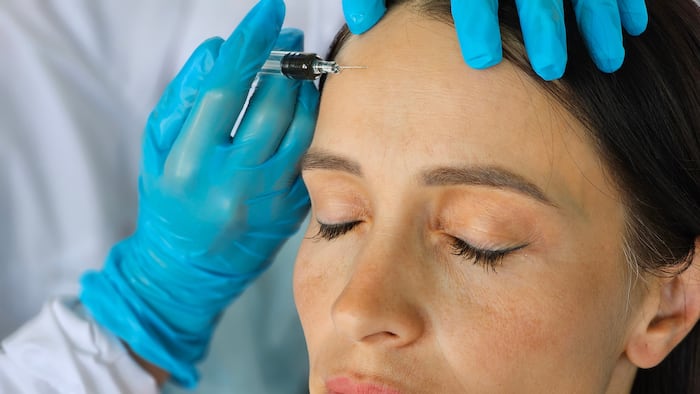
The Royal College of Pharmacy (RCPharm) has updated its position on pharmacists providing non-surgical cosmetic procedures.
Published today, the RCPharm said the new statement “strengthens the emphasis on the broader clinical responsibilities involved in delivering aesthetic treatments”, while also setting “expectations around the wider governance of aesthetic practice”.
Read more: RCPharm calls for review of propranolol safety information
The updated expectations call on pharmacists administering aesthetics procedures independently to demonstrate “sufficient post-registration clinical experience and competence”, including “advanced consultation skills, clinical assessment, psychological screening, and the recognition and management of treatment-related complications”.
The RCPharm’s statement also stressed the importance of “supervised practical experience alongside supplementary training courses” for pharmacists wishing to deliver aesthetic treatments to ensure “safe and competent” practice.
Guidance is “not clear enough”
The college recommended that pharmacists join a voluntary register, do not administer treatment to individuals under the age of 18 and pay close attention to the legislation being used in the nation they are practicing in, as there are differences between the laws for England, Scotland, Wales and Northern Ireland.
It said pharmacists administering non-surgical cosmetic procedures must adhere to the RCPharm competency framework “as would be expected in other clinical areas” and must only have face-to-face consultations with the people they are prescribing for.
No standardised training
The college also stated that responsibilities may only be delegated to a “registered healthcare professional”, with the prescriber maintaining responsibility for the person’s treatment and aftercare “including complications”.
The new statement emphasised that “training currently available for aesthetic practice is not standardised” and recommended that practitioners use the JCCP Competency Framework or resources from the Save Face organisation when planning their training.
Psychological safety and capacity
According to the RCPharm, any pharmacist providing non-surgical cosmetic treatments should undertake a risk assessment which includes “psychological safety assessment and capacity to consent”.
The college specified that risk assessments should take into account “unrealistic body image expectations, psychological vulnerability and safeguarding concerns”, with the pharmacist expected to advise against treatment where appropriate.
Read more: Walk-in GP centres ‘undermine’ pharmacies, says RCPharm
The update follows a recent survey commissioned by the RCPharm which found that 49% of respondents “did not feel that current professional guidance on training requirements in aesthetic practice for pharmacists was clear enough”, with many citing a need for “professional guidance, professional standards and competency frameworks”.
RCPharm president Tase Oputu said that pharmacists working within aesthetics must be able to demonstrate “the right skills, experience and competence to provide safe, high-quality care”.
Read more: RCPharm ‘concerned’ by proposed international pharmacist reforms
“This updated statement reinforces the importance of putting safety at the heart of aesthetic practice,” she added.
“Pharmacists need to have the experience and professional judgement to put the individual first, recognise when a treatment may not be appropriate and make sure the individual is properly supported if things don’t go as planned.”
Read more: RCPharm ‘concerned’ by proposed international pharmacist reforms
It comes after the RCPharm called for a review of propranolol safety information following patient safety concerns over use of the medicine for generalised anxiety.
And it follows a joint statement by the college and RCPharm Scotland expressing “concerns” that Scotland’s walk-in GP centres threaten to undermine the role of community pharmacy.