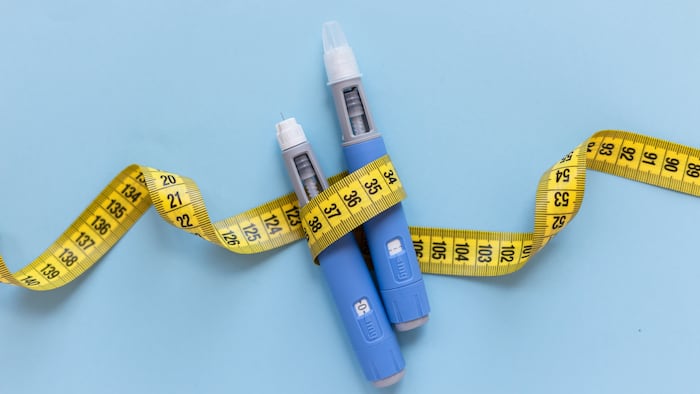
Weight loss jabs are being sold illegally in unusual places such as pubs and fish and chip shops, according to a new report.
The investigation, published by the London Assembly health committee, heard “concerning evidence about the rise of illicit markets and unlicensed sales of weight loss drugs”.
Users of the drugs were also found to be sourcing them through “beauty salons and gyms, and on social media” and the committee said “we even heard about people buying them in pubs and fish and chip shops.”
Read more: ‘Constrained’ GLP-1 access could worsen health inequalities
Independent prescriber at Chemist4U, Ian Budd, warned that buying the drugs in these ways can be dangerous as the sterility, storage and expiry dates are not known.
As of November 2025, it was reported that, “3,000 London residents were accessing weight loss medicines on the NHS.”
This however was called “a drop in the ocean” compared to the sale and access of weight loss medications privately.
The group stressed it was “vital” that Londoners can access “safe and effective treatment from pharmacies and other private providers”.
The lack of regulation when buying GLP1-s through these “black market” methods means that some “products may be genuine but are not legitimately prescribed, while others are completely counterfeit” it said.
Chinese fakeaway
The committee also raised concerts about the increase in fake jabs after “recent price rises”.
In particular, they noted reports that “Chinese laboratories can imitate legitimate weight loss medicines and sell them online for as little as £1.50 a vial” resulting in sellers “buying in bulk” and selling them and making a profit.
Read more: Boots launches pilot ‘in person’ weight loss service in 17 stores
The committee said, “the government should work with the General Pharmaceutical Council (GPhC), the Medicines and Healthcare products Regulatory Agency (MHRA) and other agencies to more stringently regulate and enforce illicit markets for weight loss medicines.”
It advised this could be achieved through a “dedicated taskforce to be established in 2026-27”.
Pharmacy2U’s chief medical officer, Dr Kieran Seyan, told the committee that although illicit purchase of GLP-1s will “never stop”, there should be “very, very strict regulation to prevent this from even happening in the first place.”
“Threat to public health”
Novo Nordisk, who gave evidence to the inquiry, said “falsified medicines represent a serious and growing threat to public health”.
The Danish drug company also warned that “there is a need to strengthen regulation to combat counterfeit medicines in the UK”.
They said that “the Advertising Standards Authority, MHRA and GPhC” all need to be involved in “combatting illegal promotion of weight loss prescription-only medicines to the public, particularly online.”
Pharmacy roll out
Sukhi Basra, vice chair at the NPA, said “high demand for weight loss medication, coupled with a very slow and cautious NHS roll out, has created the perfect storm for criminals who are running a growing black market selling counterfeit weight loss medication.
“To help speed up the roll out and reach more patients as well as potentially limit opportunities for illicit sales, the government should use the extensive experience of pharmacists to become part of the NHS roll out of weight management treatments,” she added.
Company Chemists’ Association’s chief executive, Malcolm Harrison, also agreed, saying, “there is a clear opportunity for the government and NHS to build on this expertise and commission an NHS weight management service through community pharmacy.”
Read more: Relying on weight loss drugs is the ‘wrong answer’, says Chris Whitty
It comes after a Northern Irish gym owner was charged last month after “unlicensed weight-loss medicines intended for sale or supply” were found at his gym business.
Fake Mounjaro pens were also recently found for sale through an online pharmacy, The Private Pharmacy Clinic, based in Birmingham.
The pharmacy was told by the GPhC that it must not “obtain, sell or supply any prescription-only medicines” due to “serious concerns”.
