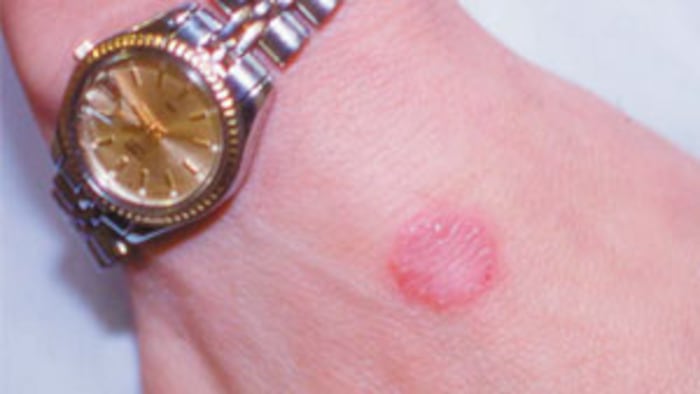
The European Medicines Agency has banned oral medicines containing the antifungal ketoconazole after ruling on Friday (July 26) that the risks of liver damage outweighed the drug's benefits.
The ban only applies to ketoconazole products – marketed as Nizoral – that are taken orally, with topical treatments such as shampoos and creams still deemed safe. The ruling will now be referred to the European Commission, which will make a legally binding decision on the drug.
Manufacturer Janssen will have to provide convincing data to avoid an outright ban and said it was reviewing the EMA's recommendations.
"Patients on these medicines should make a non-urgent appointment with their doctor to discuss alternative treatment," Dr Branch warned.
Ketoconazole has been authorised for oral use in the EU since 1980, but the EMA investigated the drug following suspension of the medicine in France two years ago.
The EMA investigation concluded that, although liver injury was a known side effect of antifungal medicines, there was a higher incidence and seriousness in oral ketoconazole and limited evidence of its efficacy.
The medicines agency expressed concerns over reports that liver injury started early after treatment and it was not possible to identify measures to reduce the risk. Reported cases included fatalities, hepatitis, cirrhosis and liver failure, the EMA added.
Manufacturer Janssen said it was disappointed with the EMA's decision. The company stressed that it had continuously monitored the safety of ketoconazole and submitted several safety revisions, including warnings over hepatotoxicity, to regulators across the world.