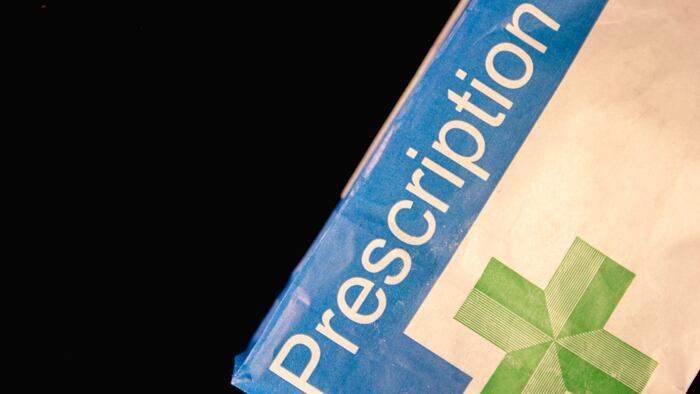
1968 was the year the first decimal coins reached the high street, the post office launched a new first-class mail service, and Richard Nixon became America’s president.
Yet it was also the same year the prescription charge exemption list was introduced – and it has not been properly reviewed by the UK government since.
The list features conditions for which life-saving drugs were available at the time, and it has hardly changed in almost 55 years, so does not reflect the advances made in medical knowledge and technology.
Many serious long-term conditions such as asthma, inflammatory bowel disease, heart and kidney disease, cystic fibrosis, HIV, multiple sclerosis, motor neurone disease, stroke and Parkinson’s are still not included, despite the need for medication to stay well and, in many cases, alive.
Cancer drugs were only added in 2009.
Read more: Want to free up more money for the NHS? Then cut medicines wastage
This year, the urgent need for change has become even more pressing for people living with long-term health conditions. The soaring cost of living is not just forcing them and their families to cut back on the essentials, such as heating and food, but also vital medication.
Although the charge has been frozen for this year, between 2010 and 2018 charges have increased by 26%. Research conducted by the Precription Charges Coalition has shockingly shown it has led to patients skipping medication due to costs, which has in turn often led to unnecessary hospital admissions, costing the NHS significantly more.
Prescription charges can be a huge financial burden for people who need regular medication to manage one or more long-term conditions.
Disabled people are often most at risk from extra charges to stay well, with increased heating costs due to limited mobility, extra electricity to charge assistive technology devices and petrol to get to appointments due to limited transport options.
The disability charity Scope estimates that the extra costs experienced by a disabled person amount to £583 a month, according to its 2019 Disability Price Tag report. Research conducted by Sheffield Hallam University found a household with Parkinson’s in England is on average £17,094 worse off each year.
Charges have increased sharply since 1979. However, despite the freeze, vital medication is still unaffordable for many, with a single item costing £9.35, a three-month prepayment certificate costing £30.25 and a 12-month certificate costing £108.10.
The government says 90% of prescriptions are dispensed free of charge. But the burden falls unfairly on people with long-term conditions, who raise the majority of prescription charge revenue – £600 million in 2021. England is the only UK country where people must pay for their medicines.
Read more: Cost of living: Pleas to scrap script charge as patients forced to reduce meds
Pharmacists’ options to help patients who cannot afford to pay are limited. Many tell the Prescription Charges Coalition they’re under emotional strain, as they feel like they are depriving patients of their medication.
If their patients are struggling to afford medicines, pharmacists can try to identify an over-the-counter equivalent, which may be cheaper. And if the patient can’t afford their medication, they could advise them to apply for a HC2 certificate, which allows those on low incomes to receive free prescriptions.
Finally, they could advise them to purchase a prescription prepayment certificate, which spreads the costs of medicines.
The Prescription Charges Coalition recognises those on some benefits and the lowest incomes can get help from the government. But it’s not enough. We fear this year many more will make the tough decision not to take their vital medication and will become unwell, as they simply can’t afford it.
Laura Cockram is chair of the Prescription Charges Coalition and head of policy and campaigning for Parkinson’s UK.