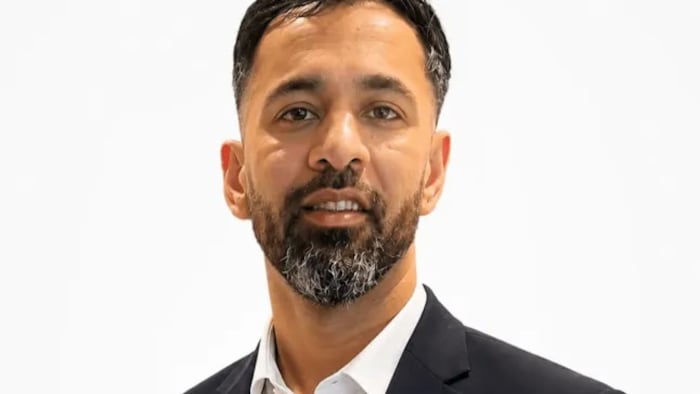
Ashcroft Pharmacy, an online pharmacy based in Bradford, rejected £60,000 worth of weight loss treatment orders between June and September.
In an industry increasingly reliant on private services to stay afloat, it’s a pretty drastic figure, and Ashcroft’s superintendent pharmacist Suhail Jamil knows it.
“I look at this rejection and think, damn… but then we look at the reasons why,” he tells C+D.
Read more: Weight loss jab switching surged amid price changes last year
Jamil runs both Ashcroft Pharmacy, and a brick-and-mortar community pharmacy in Bradford. He explains how his experience of the physical practice informs his approach to the virtual.
“In brick-and-mortar, if you are rushing your dispensers to dispense prescriptions, that’s when mistakes happen,” he says.
Read more: LPC chair: Pharmacy ‘would be broken’ without private services
Applying this logic to online pharmacy has meant making Ashcroft’s weight loss service as watertight as possible since introducing it a couple of years ago.
From building Standard Operating Procedures (SOPs) so comprehensive that the General Pharmaceutical Council (GPhC) wanted to nab them (Jamil refused), to careful consideration of every stage of weight verification, patient safety has always been at the heart of Jamil’s work.
The prescribing process
When a patient requests a weight loss medicine prescription at Ashcroft Pharmacy, the first port of call, like with many online pharmacies, is a questionnaire.
Patients must then submit a photo, using a live capture feature which Jamil introduced to counter the growing threat of AI-doctored images, and upload identification, on which Jamil’s back-end team immediately performs a credit check.
Read more: Patients avoiding local pharmacy over GLP-1 ‘stigma’, study reveals
And then, if there are any lingering concerns, prescribers book in weight verification calls with patients, in which patients “have to actually stand on a scale” to demonstrate their weight.
All this is just for the first order. Regular weight verification calls, photo uploads and diet and lifestyle conversations take place in the intervening months and upon reorders.
Read more: ‘Regulation must respond to risk, not restrict progress’
Jamil acknowledges that this process is rather arduous, but it doesn’t faze him.
“The biggest feedback we get from customers is ‘Why do we have to upload a photograph every month? Why do we have to answer questions? Why do we have to verify our weight when our BMI reaches a certain threshold?’”, he says.
He finds the answer simple. “The last thing I want on my watch, being a superintendent, is an anorexic patient or some young girl who’s forged an ID,” he explains.
“The extra mile”
Ultimately, Jamil’s philosophy is that it’s always worth going “the extra mile with patients”.
“Some patients find it annoying, but tough, because online is a very risky place.”
More recently, Jamil has introduced a complimentary phone call service for patients, which he likens to the NHS New Medicines Service.
Read more: Weight loss management services must be ‘overhauled’, say MPs
Ashcroft emails patients a couple of weeks after starting medication, prompting them to book in a phone call with a pharmacist to discuss their progress, and note any potential side effects.
So far, the reaction from patients has been positive. Jamil reports that “most patients actually like the fact that we’re doing that”, explaining that it demonstrates that “we’re not just prescribing them the medication”, but considering people’s holistic weight loss journeys.
Read more: GPhC takes action against two major weight loss pharmacies
Jamil is a prescriber, yet despite possessing both the means and the opportunity to use this qualification, he finds he lacks the motive.
“I can say, hand on heart, I have not prescribed any medication since I’ve been trading online,” he says.
“Whereas at some other pharmacies, the business owners are very very heavily involved, and I think that’s where the bias can come into play and that’s where the patient safety issues occur.”
Read more: ‘Must do more’: Calls for Big Tech to tackle fake online pharmacies
At Ashcroft, that job belongs to a team of prescribers who work under a clinical lead he hired for the purpose. Jamil, as owner and superintendent, sticks to business.
Though at the end of the day Jamil’s remit is making money, he ensures that he’s “not money oriented” and stresses that he doesn’t “put any pressures” on prescribers “to do ‘X’ number of prescriptions an hour”.
“That’s a big no-no,” he adds.
Read more: From a lawyer: Can ISPs help tackle the illegal weight loss trade?
Jamil doesn’t claim Ashcroft is entirely unique in its thoroughness, but he knows from experience that not every online weight loss provider demands the same attention to detail, and fears the online sector is still not adequately regulated.
He says Ashcroft can implement every precaution under the sun, but “you can’t stop anyone going to another online provider who may have less stringent policies than you, and for them to get accepted”.
He adds that Ashcroft has TrustPilot reviews from patients complaining that the pharmacy rejected them, while “another supplier approved me within minutes”.
“Like going to a shop”
Jamil believes the GPhC standard alone is not sufficient for online pharmacies, and that there should be another standard “that’s specifically for online pharmacies”, such are the unique risks that accompany them.
“People just think it’s like going to a shop and buying something, and I think online pharmacy needs more of a stronger presence in terms of authority,” Jamil argues.
“Online pharmacy can be a safe place, but you need to have the right structure from the bottom up.”