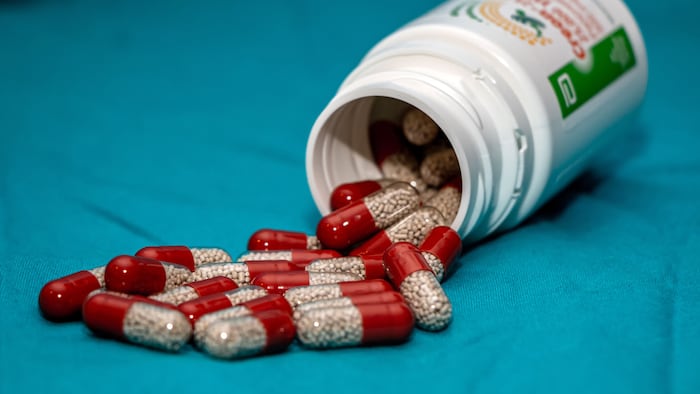
“Pharmacies have warned of patients skipping meals, rationing doses and travelling distances of over 30 miles” to get hold of pancreatic enzyme replacement therapy (PERT) medication Creon, the NPA today (June 2) revealed.
The warning comes after the government last month (May 23) extended two SSPs for Creon until November 21, the negotiator announced at the time.
Now, NPA survey results have found that 96% of 300 polled member pharmacies reported “challenges supplying” the drug, while 89% added that they had “difficulties in supplying PERT alternatives”.
Read more: Substitutions: DH to launch emergency consultation in ‘summer 2025′
And some 81% of polled pharmacies “felt the current arrangements for managing shortages of Creon are inadequate”, it said.
“Pharmacists are still having to refer patients back to their prescriber to obtain a new prescription for an alternative PERT product – stock permitting – or an unlicensed Creon product,” the NPA added.
“One pharmacist described the issue as the ‘worst stock shortage’ they have ever had to deal with,” it said.
“Tightly rationing”
“Pharmacy teams told the NPA that the shortages were particularly distressing due to their impact on patients and a number had spent hours hunting stock,” the NPA said.
They reported that “some patients were tightly rationing their medication,” it added.
“Examples included patients who were only eating one meal a day to ration their Creon,” it said.
Read more: Slew of fentanyl patches ‘out of stock’ until December
Meanwhile, others are “travelling long distances and contacting numerous pharmacies to attempt to find medication in stock,” the body said.
Patients have also “gone without” medication entirely, it added.
“Totally unacceptable”
The NPA and Pancreatic Cancer UK jointly urged “the government to bring together the supply chain and introduce a national action plan to address the shortages”.
“Medicine shortages not only cause huge inconvenience but can risk serious patient safety issues, particularly in the cases of PERTs including Creon,” NPA chair Olivier Picard commented.
He added that during shortages, “highly trained pharmacists should also be permitted to use their professional judgment to supply alternative medicines where it is safe and appropriate”.
Read more: New evidence Brexit caused UK medicines shortages
And Pancreatic Cancer UK head of influencing and health improvement Alfie Bailey-Bearfield stressed that the NPA’s findings are “deeply worrying” and “echo the distress and frustration [it is] hearing from patients…across the UK”.
“Thousands of people affected by pancreatic cancer rely on taking PERT tablets every time they eat simply to digest their food and absorb nutrients – something most of us take for granted,” he said.
“It’s totally unacceptable that they are still taking desperate measures that put their health, wellbeing and their eligibility for treatment at risk,” he added.
“Resolving the shortages demands strong, national leadership from the UK government,” he said.
Read more: Strep A: Toddler died after ‘delay’ in receiving out-of-stock antibiotics, coroner warns
The calls come as Department of Health and Social Care (DH) officials last month revealed plans to consult on granting pharmacists “the flexibility to supply” drug alternatives in “cases of immediate clinical need” after a toddler died during antibiotic shortages.
Two-year old Ava Hodgkinson had been prescribed an amoxicillin dose of 250mg/5ml – which was out of stock at her pharmacy – and the pharmacist was unable to prescribe the amoxicillin 125mg/5ml that was in stock due to dispensing restrictions.
In a letter to the coroner, secondary care minister Karin Smyth committed to “exploring new flexibilities” in a consultation set to be launched this summer.
