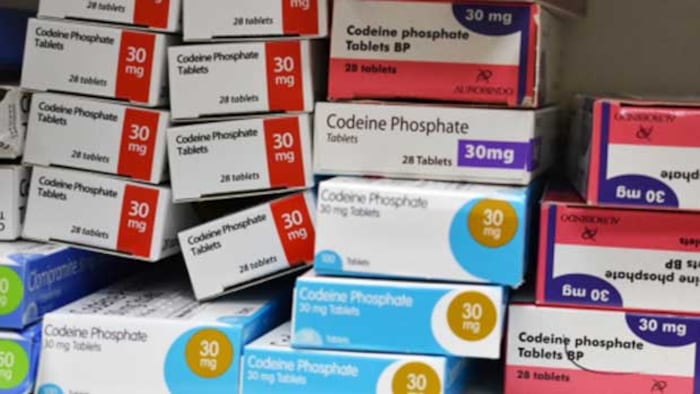
Coroner Sean Horstead has raised concerns about the “lack of specialist support” services available to help patients “safely reduce and withdraw” from “dependency-forming medications” such as codeine.
In a prevention of future deaths report published last week (June 23), the area coroner for Essex said that there was a “significant concern” about the absence of these services following the “excessive use of codeine” contributing to the death of Michael Barry, 46.
Read more: Coroner: Patient dies after ‘limited attempts’ to review opioid scripts
Barry had a “long-standing dependency on prescribed opiate-based pain-killing medication following significant surgery some years prior to his death”, the report said.
A toxicology analysis identified codeine in Barry’s system following his death, it revealed.
But it noted that this was “likely not from the medication prescribed by the deceased’s GP practice”.
Read more: Coroner warns of dispensing ‘inconsistently’ after diabetic death
A partner from the Essex-based practice told the inquest that there was “no specialist commissioned service available for GPs to which they might refer their patients to manage reduction of their intake of prescribed dependency-forming medications”.
And they stressed that this was “in contrast to the availability of commissioned services for patients who are dependent on illicit drugs and/or alcohol”.
“Fatal consequences”
The “reduction or cessation of dependency-forming medications needs to be very carefully managed due to the risk of withdrawal symptoms”, the report urged, adding that it “requires specialist input and training to maximise the prospects of success and to avoid potentially fatal consequences”.
“The continuing absence of such a commissioned service gives rise to the risk of avoidable future deaths,” it said.
Read more: RPS issues polypharmacy warning as SMRs ‘missed or de-prioritised’
The Mid and South Essex Integrated Care Board’s (ICB) director of pharmacy and medicines optimisation told the inquest that steps have been taken to “educate clinicians and service users alike of the dangers of opiate-based prescription medications” to try and reduce the number of patients “at risk of becoming dependent/addicted”.
But Horstead stressed that this does not “address the immediate and ongoing risk of future deaths to those currently dependent on/addicted to these medications”.
He highlighted that this exact issue was raised in a previous coroner’s report in 2019 and although plans were made at the time to roll out a prescribed opioid dependence local enhanced service, the COVID pandemic meant that this was not implemented.
“Excessive” codeine use
“There remains no such, or similar, commissioned service across Essex” or consistently across England and Wales, Horstead found.
And he concluded that Barry died “despite optimal medical care following admission to hospital from fatal complications of a community acquired pneumonia on a background of excessive use of codeine medication”.
Horstead sent his report to the Mid and South Essex ICB, the Department of Health and Social Care (DH) and NHS England (NHSE).
Read more: Coroner: Patient overdoses after ‘excess’ bank holiday diazepam and codeine scripts
The ICB told C+D that an opioid reduction/discontinuation pathway is currently going through a wider procurement exercise.
NHS Mid and South Essex executive medical director Dr Matthew Sweeting offered “sincere condolences” to Barry’s family and loved ones.
The ICB is “committed to both improving education and training to reduce overall numbers of people taking opioids and supporting people who are dependent upon prescribed medication”, he added.
Read more: Illegal online pharmacies: Man dies after ‘inadvertent’ overdose
C+D also approached the DH and NHSE for comment.
It comes after a senior coroner raised concerns last month about a GP practice’s lack of “detailed planning or oversight” over those who are prescribed opioids long-term following the accidental overdose of a patient.
The inquest found that “there had been very limited attempts to review” the patient’s prescription and that her pharmacy review had been scheduled some two years after she was identified as having a risky prescription.
