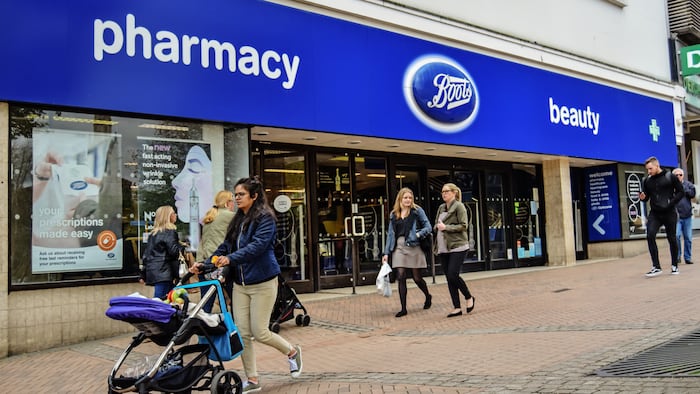
A “major new study” will explore whether loyalty card data from Boots customers could help researchers spot the “early warning signs of cancer”.
It will analyse the shopping patterns of almost 3,000 volunteers and compare “the purchase history of people diagnosed with cancer with that of healthy participants”.
Boots said Imperial College London’s Cancer Loyalty Card Study (CLOCS-2) study - which will also collect loyalty card data from Tesco customers - aims to “reveal subtle trends” which could signal the early signs of disease and “ultimately lead to much earlier medical interventions for a variety of cancers”.
Read more: New obesity and diabetes drug to be trialled at Boots stores
A previous project using Boots Advantage Card data found that changes in the purchase of over‑the‑counter pain or indigestion medicines “could appear months before an ovarian cancer diagnosis”.
The new study “will expand its scope of research” to investigate ten cancer types, it said, including bowel, ovarian, pancreatic, liver, stomach and oesophageal cancers.
The company added that many of these cancers “start with symptoms people often self‑manage first, including bloating, fatigue or indigestion” - and that researchers hope “spotting subtle shifts in what people buy could one day act as a nudge to seek medical advice sooner”.
Read more: Boots debuts private earache service in high street stores
If the study is successful, researchers “hope to launch an intervention study” that will “monitor the purchasing data from consenting healthy individuals” to identify specific “triggers”.
“This could eventually pave the way for a potential digital alert system that prompts shoppers to seek medical advice based on their specific purchasing behaviour.”
“Potential to revolutionise”
The research “ultimately has the potential to revolutionise how we can use everyday data to understand and improve people’s health,” said study lead Professor James Flanagan.
“We’re excited to build on the success of our first CLOCS study and to see if looking back at people’s shopping history can give us clues to the way different conditions start to appear,” he added.
Read more: Boots rolls out ‘wellness zones’ and specialist training in stores
Boots healthcare development director Marc Donovan, said the study “is an inspiring example of what’s possible when retailers, researchers and charities work together to connect different data points”.
“Over a quarter of the UK population has a Boots Advantage Card, and this study represents the potential for everyday shopping data, when used responsibly, to be a powerful tool in helping customers spot and act on early healthcare warning signs.”
Read more: Boots expands regional dispensing hub to 150 more stores
It comes after Boots announced last week that a clinical trial for a “new obesity and type 2 diabetes medicine” will be conducted at some of its stores.
The pharmacy chain said it is the first time “dedicated clinical research units” have been set up in high street pharmacies, which will enable people to “participate” in clinical trials in “locations that are easy to reach and that they know and trust”.