Four men who received £4.3m in Bitcoin payments from selling an array of counterfeit pharmaceuticals through an online ‘pharmacy’ have been jailed.
The group operated under the “brand name SocialPharma”, according to the South East Regional Organised Crime Unit (SEROCU).
Read more: MHRA busts ‘large-scale’ illegal online Class B drug supply
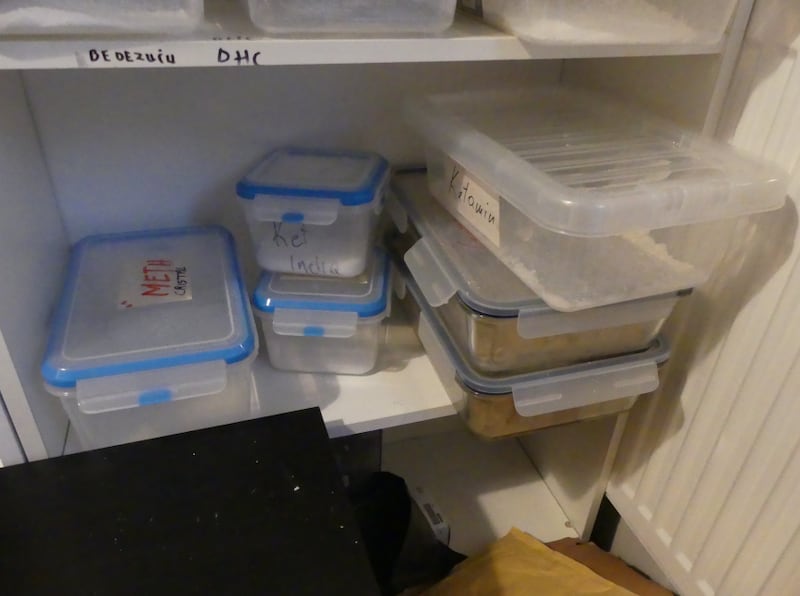
It said the operation was established in 2018 and sold a “range of controlled substances” via messaging app Telegram and “multiple dark net vendor accounts”.
The four men have been jailed for a combined 47 years and three months after pleading guilty to conspiracy to supply counterfeit pharmaceutical drugs, alongside a host of other illegal substances.
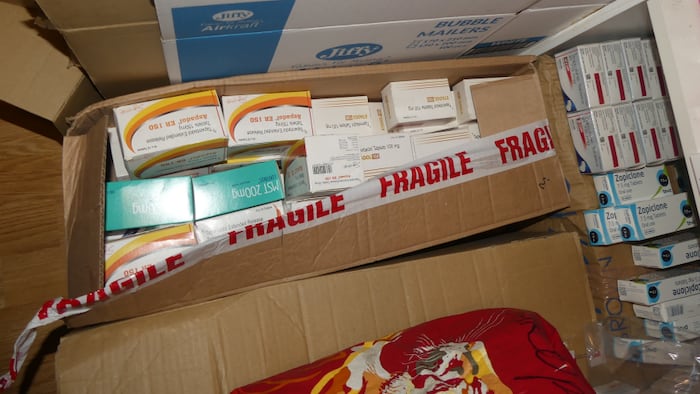
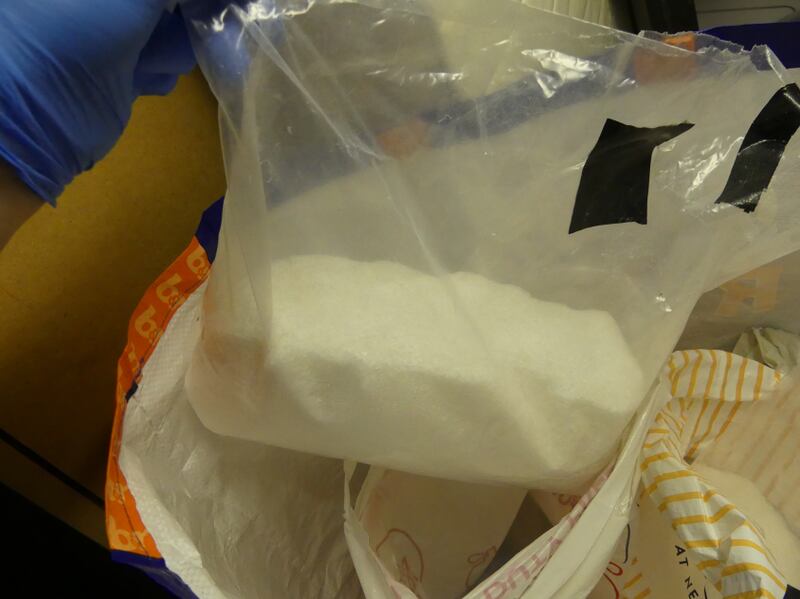
SocialPharma’s “main product lines” were counterfeit pharmaceutical tablets, but SEROCU said their composition was “unknown and potentially lethal”.
Some of the prescription-only medicines (POMs) seized included antibiotics, statins and stimulants, as well as breast cancer, hormone, ovary, erection and weight loss medication.
Read more: ‘Alarming’ research reveals 5,000 fake pharmacy criminal network
Over-the-counter (OTC) medication was also seized, along with class A and B drugs including opioids and heroin containing traces of fentanyl.
Class C drugs seized included benzodiazepines, anabolic steroidsand painkillers, plus hormone, epilepsy and testosterone medication.
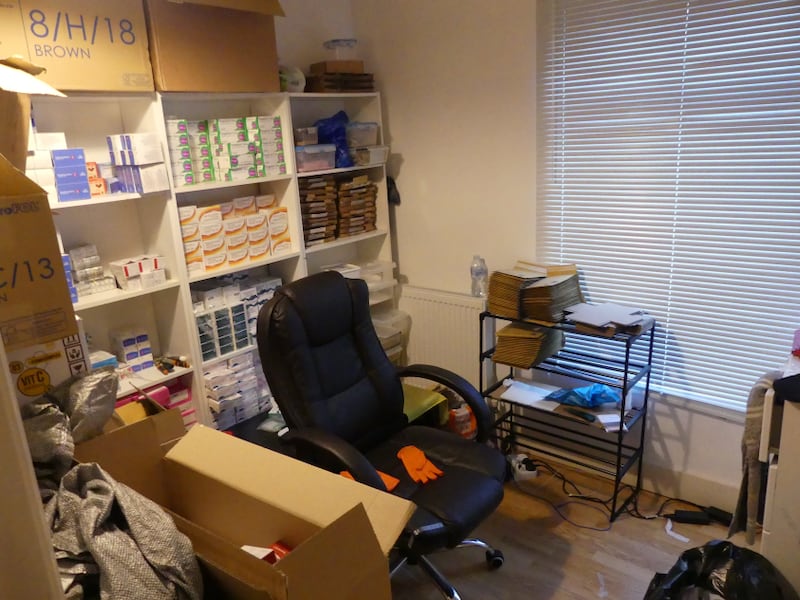
SEROCU said approximately £33,000 worth of pharmaceuticals were purchased each week to resell.
Laundered
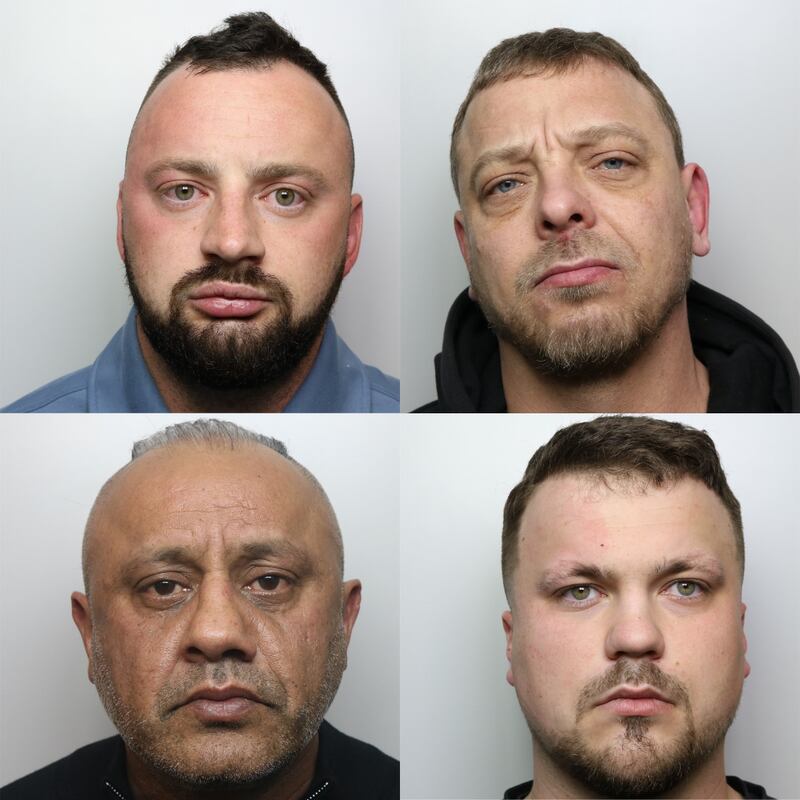
Osvaldas Novikovas, 32, of no fixed abode, Jordanas Avizienius, 27, of no fixed abode, Marius Sutrinavicius, 44, of no fixed abode, and Javed Afzal Khan, aged 55, of Grove Green Road, London, were sentenced on December 12 at Kingston Crown Court.
The court heard Novikovas was responsible for the “overall operations and the supply of drugs” while Avizienius was his “right-hand man overseeing sales and managing dark web channels”.
Read more: Researchers develop new sensor to ‘detect counterfeit medicine’
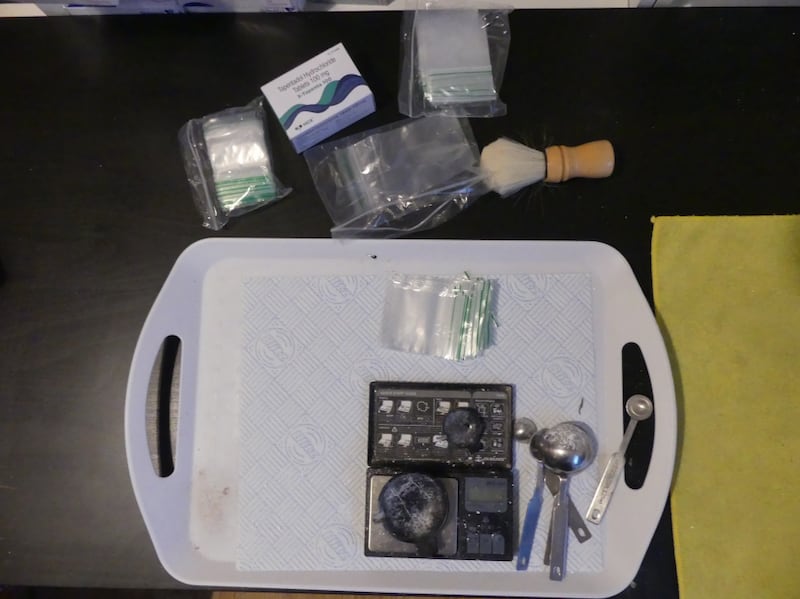
Sutrinavicius ran the “packing house” which prepared and posted drug packages, and Khan “supplied pharmaceutical drugs to the operation”.
The Medicines and Healthcare products Regulatory Agency (MHRA) criminal enforcement unit supported the case and provided advice in the investigation.
Criminal enforcement deputy director, Andy Morling, said the sentencing “demonstrates the value of working in collaboration to help get dangerous drugs off the street and protect the public”.
No remorse
Novikovas, Avizienius and Sutrinavicius were all arrested on the same day in April and pleaded guilty to conspiracy to supply “counterfeit pharmaceutical drugs, heroin, methamphetamine, cocaine and ketamine” in July without a trial.
Khan was arrested in May and pleaded guilty to conspiracy to supply class A and class C drugs, including counterfeit pharmaceutical drugs.
Read more: Twelve arrests in ‘biggest ever’ meds trafficking crackdown
After a ten-day trial in October, he was also found guilty “by unanimous verdict” of conspiracy to supply class A and class B drugs and found guilty “by majority verdict” of conspiracy to supply class A drugs, “namely heroin”.
SEROCU’s cyber team’s senior investigating officer, Rob Bryant, said the “dangers of counterfeit tablets cannot be understated” and without police intervention, the gang would have “undoubtedly continued to supply significant quantities of illicit products across the country”.
He added that the four men showed “no remorse for their crimes” and stressed that “buying drugs from dark net markets is inherently dangerous”.
Read more: MHRA crack-down seized £40m in illegally traded drugs last year
“Customers have no idea what they are purchasing, and these products are sold without consultation with a GP, without prescription, and without any assurance of authenticity.
“The impact of illicit pharmaceuticals should not be underestimated, and the effects on vulnerable people could be devastating,” he said.
Read more: Pharmacy tech struck off over £600k drug smuggling conviction
In November, the MHRA revealed it had disrupted a “multimillion-pound criminal network” supplying unlicensed medicines - including Class B and Class C drugs – via “a series of websites”.
And in August, a cybersecurity company exposed a “large-scale criminal network” of more than 5,000 “fraudulent” online pharmacies selling “counterfeit, contaminated or entirely fake medications”.