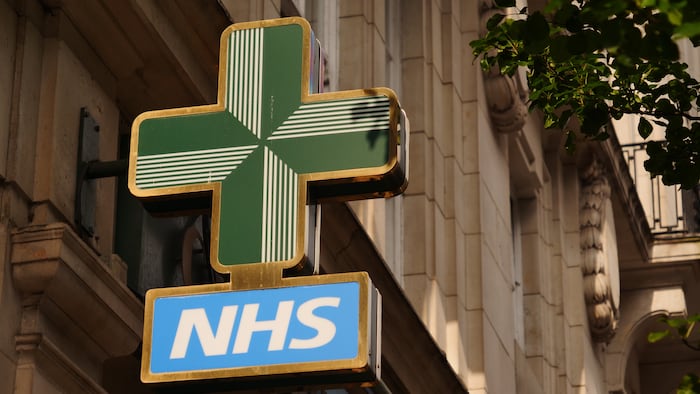
The government has said it wants pharmacies to “become a first point of contact” for patients in the shift to neighbourhood health announced as part of its 10-year plan for the NHS.
In a policy paper published on March 17, the Department of Health and Social Care (DH) said ICBs “will build on the progress” the government has made to “strengthen pharmacists’ role in delivering care”.
Read more: HSCC: No neighbourhood health without community investment
It noted that pharmacies “are one of the most accessible parts of primary care”, and that their convenience makes them “optimally placed” to offer services such as contraception, blood pressure checking, smoking cessation support and Pharmacy First.
“As pharmacies become increasingly established in supporting prevention and treating minor illness, our ambition is for pharmacies to become a first point of contact for more patients to support demand on general practice,” it said.
“Enormous opportunity”
The DH highlighted that all newly qualified pharmacists becoming independent prescribers from this September “provides an enormous opportunity for the NHS”.
It said that “as the number of prescribing-trained pharmacists grows”, dealing with demand in primary care “will rely on pharmacy teams including prescribers managing a greater volume of patient need”.
Read more: Comms campaign must ‘clarify’ pharmacies are not ‘replacing’ GPs
And it confirmed that it will support ICBs’ rollout of “local prescribing-based services” by providing a “national digital infrastructure”.
“Not only will these developments support a greater range of patients within existing currently patient group direction-led services,” it added, “but they will unlock opportunities to improve management of everyday prescriptions, support medicines value and overprescribing opportunities and reduce pressure on general practice”.
Read more: DH reveals locations of first 43 neighbourhood health hubs
“Our ambition is for pharmacies to be a first.”
The DH also said the NHS “will reduce bureaucracy so GPs can focus on delivering better care” through “a range of common-sense interventions”, including “direct prescribing to community pharmacy” and issuing outpatients with 28-day prescriptions “unless clinically inappropriate”.
Going further
The government noted that the neighbourhood health framework “describes the minimum expectation” and that the service “will be built over time”.
It said that “over the next few years” it will look at how it can “support other important services” including community pharmacy “to effectively contribute to neighbourhoods”.
Read more: DH: Creating single patient record expected to take several years
“In the meantime, important reform agendas will continue to improve services in these areas,” it added.
“If they choose to, ICBs can - and will - go further and earlier in such services as part of their neighbourhood plans.”
Read more: NHSE: ICBs to ‘introduce’ pharmacy prescribing services in 2026/27
It comes after the Health and Social Care Select Committee (HSCC) warned health minister Karin Smyth that the government’s “desired shift towards neighbourhood health will not be delivered” if the community sector is not made more attractive.
The shift will not be possible if the community sector - which includes community pharmacy - “offers staff worse pay, fewer opportunities to advance their careers and make use of their skills and poorer training and supervision than the acute sector”, the HSCC said in a letter.
