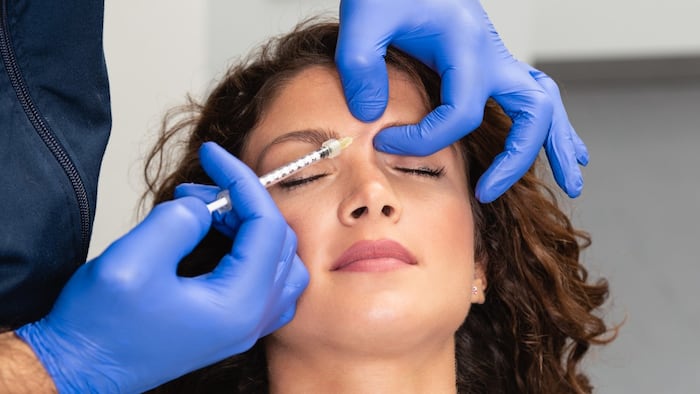
The regulation of cosmetic procedures in the UK is a “confusing mess”, the parliamentary Science and Technology Committee has warned.
In a report published on November 4, the cross-party committee said that current regulation creates “avoidable harms” that are “not being prioritised by the government”.
Read more: Govt proposes restricting ‘high-risk’ cosmetic procedures to IPs
It highlighted that there is “no regulation governing who can administer Botox, despite the product itself being prescription-only”.
It said this “presents a significant risk to the public who are largely unaware of the potential for them to be harmed”.
And it called for mandatory national standards to ensure that those who carry out the procedure are properly trained and qualified to safely do so.
Read more: GPhC ‘very concerned’ about illegal pharmacist Botox trade
The report said national patient-reported data showed that more than a quarter (28%) of Botox treatments are provided by non-prescribers.
It cited arguments from witnesses Dr Roshan Ravindran and Professor Lee Smith that “a new licensing framework should limit Botox to supervised prescribing nurses, doctors and dentists with appropriate qualifications within a defined scope of practice”.
Pharmacist prescribers with the required qualifications and training are currently permitted to administer non-surgical cosmetic procedures in Great Britain.
Online marketplaces
The committee also argued that “product safety laws have not kept pace with online marketplaces, with illegal and dangerous products now reaching UK consumers faster and in greater volumes than regulators can police”.
It said that despite the government giving itself powers to make online marketplaces responsible for product safety, “it has not yet brought in any of the necessary regulatory changes”.
“The government should urgently bring in the changes needed to make online marketplaces responsible for the safety of the products they profit from and introduce meaningful penalties for non-compliance,” it added.
Read more: ‘Regulation must respond to risk, not restrict progress’
The committee raised that the majority of those involved as consumers, practitioners and scientists in the cosmetic sector are women, and said “complacency” over the lack of effective science-based regulation “has roots in sexism and racism”.
It said new regulation and standards “shouldn’t reduce the already limited access to business of women, and particularly women of colour”.
Any imposed training or standards should be “reasonably obtainable”, it added.
Read more: RCPharm shares new position on pharmacists working in aesthetics
Science and Technology Committee chair Dame Chi Onwurah said “action, not just a consultation, is long overdue, and quick solutions must be found to regulate injectable products”.
“The cosmetics industry is a science industry, and science must be at the heart of how it’s regulated,” she said. “This means filling gaps in research, responding more quickly when evidence of harm emerges and explaining risks clearly to the public.
“Consumers shouldn’t pay the price for regulation that has failed to keep pace.”
Read more: Regulation roundup: A very busy month for the GPhC
It comes after the Department of Health and Social Care last month proposed restricting “high-risk cosmetic and wellbeing procedures” to independent prescriber pharmacists, nurses and midwives, as well as doctors and dentists.
And it follows the General Pharmaceutical Council last October stressing that it was “very concerned” about reports of pharmacists being involved in the illegal supply of Botox.