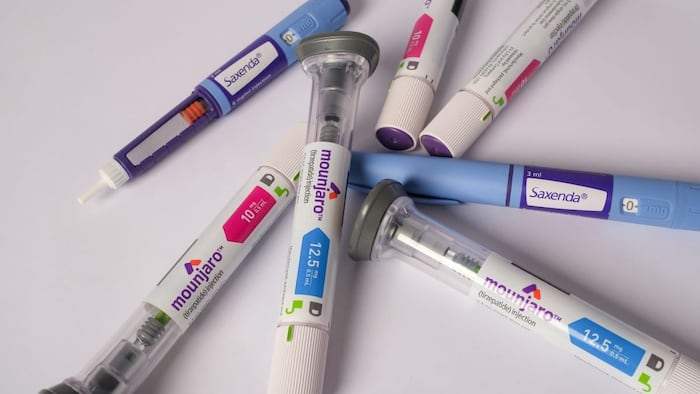
The NI DH’s medicines regulatory group (MRG) last week (August 7) warned the public not to turn to “unregulated or unapproved” sources for weight loss medication.
It urged people “not to fall victim to criminals” selling these fake medicines – such as Wegovy and Mounjaro – with sources reportedly including “unscrupulous websites, social media sellers and locally based illicit sources”.
The Department stressed that people should “carefully consider” the implications of buying medicines from “social media platforms, unverified websites or dubious sources”.
Read more: Four ‘pending’ prosecutions in NI over illicit weight loss drugs
“There is no way of knowing that what you are buying is what you think it is and this can have serious consequences for your health,” it added.
According to the DH, the risk of fake weight loss medicines has been highlighted by recent MRG investigations.
These have found “falsified and unlicensed injectable weight loss medication in circulation throughout Northern Ireland leading to some people suffering adverse reactions and hospitalisation”, it said.
“DIY kits”
DH senior medicines enforcement officer Peter Moore warned that buying weight loss medicines “online or on the black market without a prescription poses a direct danger to health”.
“We are now seeing criminals selling ‘DIY kits’ that include the active ingredient in powdered form alongside syringes so customers can inject themselves but must first mix the ingredients together before use,” he said, adding that the use of such kits can present “additional risks”.
“Over the past three years, the MRG has conducted 34 investigations focusing on the unlawful possession, advertisement and/or supply of counterfeit or unlicensed weight loss medicinal products, resulting in the recovery of 600 units,” Moore added.
Read more: Patients hospitalised by fake Saxenda and Ozempic pens filled with insulin
And MRG interim head Aaron McKendry said that “it is extremely important that people take prescription-only medicines (POMs) after consultation with their GP, pharmacist or other healthcare professional who have access to patient health records”.
“Any person who suspects a medicine has been falsified should discuss the matter with a healthcare professional such as a pharmacist or GP and report the matter,” he added.
McKendry noted that “the risk to public safety posed by the unlawful distribution and misuse of unauthorised medicinal products within the non-surgical cosmetic sector in Northern Ireland is a serious issue”.
Read more: ‘New front line’: MHRA removes 150 social media posts selling fake weight loss drugs
It comes after the Department of Health and Social Care (DH) in England last week revealed it will introduce new measures to crack down on unregulated cosmetic procedures in “homes, hotels and pop-up clinics”.
Meanwhile last July, the Northern Ireland health minister revealed that the country had successfully prosecuted one person, with four more “pending”, on charges related to illicit weight loss drug supply.