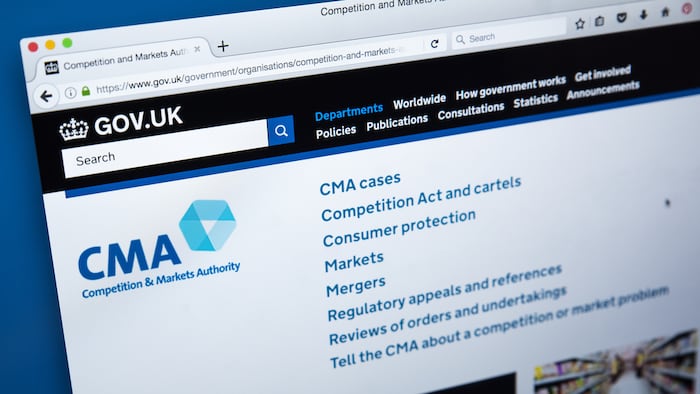
The Independent Pharmacy Cooperative Network (IPCN) has submitted a complaint to the CMA “regarding a suspected anti-competitive agreement between the Department of Health and Social Care (DH) and Community Pharmacy England (CPE)” in the 2025/26 funding deal.
The body’s formal complaint, sent “on behalf of its distance selling pharmacy (DSP) members”, is one of at least 25 individual complaints submitted since April 3, IPCN co-founder and admin Sri Kanaparthy exclusively told C+D earlier this month.
Read more: Contractor WhatsApp group becomes ‘formal’ cooperative
The IPCN wrote to the competition authority warning that the new pharmacy contract “significantly distorts fair market conditions by favouring bricks-and-mortar pharmacies”.
“This agreement…will prohibit DSPs from providing enhanced and advanced NHS services onsite from October 2025” and “removes their ability to compete on equal terms despite holding identical NHS contracts to community pharmacies”, it said.
“This exclusion was introduced without sector-wide consultation, stakeholder engagement or published impact assessment,” it added.
Read more: All the headlines: Community pharmacy funding deal
It said the deal “may represent a concerted practice that reduces competition, violating the spirit of the Competition Act 1998”.
CPE declined to comment directly on the complaints, while the DH said that it had “not been officially notified of any complaints”. Read their full comments below.
“Pause or reversal”
The IPCN requested that the CMA “investigate the circumstances and legality of the agreement” and “determine whether this constitutes” a legal breach.
It also asked the CMA to “assess the market impact on DSPs” and their patients, “recommend a pause or reversal” of the contract changes and “require the DH and NHS England (NHSE) to conduct an independent impact and competition assessment before implementing structural policy changes”.
Kanaparthy, who is the contractor at DSP Vigo Pharmacy, told C+D that he also had other concerns with the new contract.
Read more: What could the next pharmacy funding deal include?
“The uplift in the funding is not sufficient to cover the increased wages, national insurance (NI) contributions and other costs and as a result we have had to either make redundancies or reduce the hours of the staff to stay afloat,” he said.
“As a representative organisation, CPE has failed to act in the interests of the contractors and has agreed to a deal that is significantly short of the current deficit,” he added.
C+D approached the CMA for comment.
“Not notified”
CPE last week (April 16) advised that contractors refer to its FAQs on DSP regulatory changes – which highlight that DSPs will continue to be able to provide remote consultations and off-site service provision where a service specification allows.
CPE added that it did not have any further information to share beyond what is available in the FAQs.
And the DH told C+D earlier this month (April 11) that it had “not been officially notified of any complaints made to the CMA about the community pharmacy agreement”.
“Community pharmacists are at the heart of local healthcare and we want them to play a bigger role,” it said.
Read more: NICs hike: Has anything changed for pharmacies post contract?
“The agreement shows how this government is working in partnership with community pharmacy to deliver more care for patients,” it added.
Meanwhile, the IPCN announced earlier this month that it had “formally incorporated” as a fledgling cooperative organisation to be a voice for independent contractors.
What started as a WhatsApp group set up as a “supportive network” for community pharmacists a decade ago now has around 400 contractors in its network, it said.
It says that as most of its members own one or more pharmacies, this represents around 1,000 independent pharmacies.
