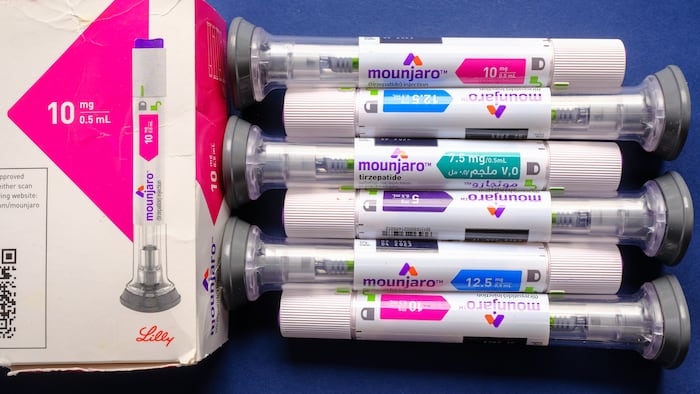
Seizures of weight loss injections more than doubled in the period between June 1 to August 31, data obtained by C+D via a freedom of information (FOI) request has revealed.
The Medicines and Healthcare products Regulatory Agency (MHRA) shared a monthly breakdown of the number of Mounjaro seizures with C+D, highlighting that the figure grew drastically in just three months.
Read more: ‘Illegal or unregulated’: 18k weight loss items seized in 18 months
In June, the medicines regulator seized a total of 38 Mounjaro pens, with six being “exported from the UK” and the rest being illegally imported, the data from earlier this month showed.
This figure then grew by 71% with the MHRA seizing 65 Mounjaro pens, all being exported, in July.
By the end of August, the figure had risen by 163% from June, with 100 Mounjaro pens seized by the medicines watchdog – all of which were being exported
The data also revealed that no Wegovy products were seized by the MHRA in the same period.
“Protect patients”
MHRA criminal enforcement deputy director Andy Morling told C+D that “the Mounjaro seizures were of genuine products, most of which were being exported from the UK in contravention of the Department of Health and Social Care (DH) prohibition on exporting products containing tirzepatide”.
“Other seizures related to products being illegally imported into the UK,” he added.
Morling stressed that the MHRA will “continue to work closely with law enforcement agencies, international partners and others to prevent the illegal supply of medicines and to protect patients”.
Read more: MHRA crack-down seized £40m in illegally traded drugs last year
It comes after data from the Home Office’s border force in August revealed that it had seized more than 18,000 “illegal or unregulated” weight loss products between January 2024 and June this year.
And following Mounjaro manufacturer Eli Lilly’s announcement last month that it would increase the UK list price for its tirzepatide weight loss drug by up to 170% from September 1, Chemist4U warned the decision could “drive patients to the black market”.
The Independent Pharmacies Association (IPA) similarly highlighted that “the higher prices will see patients [who are] desperate for cheaper products turn to the often-unregulated online market”.
Read more: ‘Alarming’ research reveals 5,000 fake pharmacy criminal network
Meanwhile, the Department of Health in Northern Ireland issued a warning to the public last month not to “fall victim to criminals” selling fake weight loss medication following reports of patients being hospitalised.
And a “large-scale criminal network” of more than 5,000 “fraudulent” online pharmacies was also exposed last month by a cybersecurity company for selling “counterfeit, contaminated or entirely fake medications”.