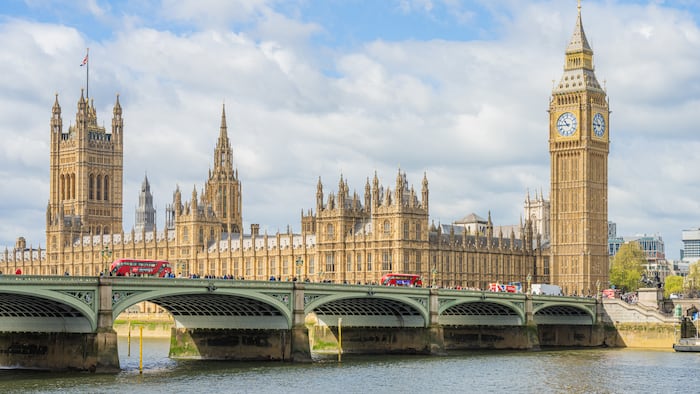
The sale of illegal weight loss jabs is not threatening public safety compared to other illegal drugs, according to a senior Medicines and Healthcare products Regulatory Agency (MHRA) figure.
MHRA criminal enforcement deputy director Andy Morling told MPs at Parliament today that “from a public safety perspective”, illegally sold GLP-1s are “not keeping me awake at night in the same way as other aspects of medicines trafficking is”.
He said that of illegal GLP-1 products seized by the MHRA, “it is the genuine product 99 times out of 100” and the side effects from fake products are “broadly comparable with the side effects of the genuine product”.
Read more: Roz Gittins: GPhC won’t ‘stifle innovation’ in weight loss market
“With GLP-1s in the illegal black market, we’ve seized around 81,000 doses over the last three years. It sounds like a huge number but it’s not in comparison to the total number of illegal drugs seized, which was 20 million last year.”
He added that the profit margins are “equivalent, if not in excess” to other illegal drugs including cocaine and heroin.
Inappropriate prescribing
The Health and Social Care Committee (HSCC) questioned Morling along with General Pharmaceutical Council (GPhC) lead clinical advisor Neha Ramaiya, and National Institute for Health and Care Excellence (NICE) medicines policy programme director John Spoors, on regulating the black market, and safety checks being avoided online.
Read more: Attack of the clones: ‘Patients will fall into trap’
Morling said it’s “not outside the parameters” of what the MHRA would expect in the side effects reported from weight loss jabs compared to ones reported when the medications had been used for type-2 diabetes patients.
But he said inappropriate prescribing of weight loss jabs to people is better than them using the black market, saying “although that has its own evil, that will result in the person getting a genuine product. Accessing through the black market is by far the bigger evil.”
Steep rise
Ramaiya said the GPhC is working on a social media campaign to show the public how to buy medicines safely and how to check pharmacies are registered after a “steep rise in concerns” since 2023 related to weight management.
“We did see that dip over the last quarter. The types of concerns we’re now seeing are related to patients unable to access medication because they’re being challenged on ensuring that their weight is appropriate and asking for more evidence on their history.
Read more: MHRA seized £45m in illegally traded drugs in 2025
“It’s becoming difficult to access medicine because they’re being asked the right questions.”
Ramaiya said pharmacies having access to patient records can help clinical decision making and safer prescribing choices to prevent inappropriate prescribing.
“In terms of weight management medicines, most of them are still GLP-1s, but there are a small fragment where they’re not. We don’t know what the risk is of taking that medicine. Supporting access might help reduce going down the wrong angles to get it.”
Blurred edges
Morling said there’s a fine line between “legitimate discourse” of medicines and selling them online.
He suggested the MHRA was open to be given a firmer position on this area by the government to act on illegal weight loss medicines being sold on social media.
But he said the most important thing is reducing demand, and that a lot of people are unaware they are buying these products from the black market.
Read more: MHRA busts ‘first’ UK illicit weight loss jab factory in record raid
“There’s been a blurring of the edges between a medicine and a cosmetic over the last two years that is extraordinarily unhelpful.”
Questioning by the HSCC chair Layla Moran towards Morling led her to doubt if the MHRA is on top of the illegal weight loss jab market.
Morling rebutted that it’s been a priority for the MHRA since March 2023 when NICE approved semaglutide for weight loss.
Read more: MHRA warns semaglutide users of ‘very rare’ risk of vision loss
“We have dedicated staff out there looking for these people and I believe we’re leading the way globally in tackling this criminality.”
He said educating the public better will help tackle illegal weight loss medicines sales.
“We cannot arrest our way out of this. It is about educating the public. I spend more time on TV than I spend in my office at the moment doing just that, because I think that’s the key to cracking this.
Read more: Weight loss jabs found being sold in pubs and fish and chip shops
“For the illegal trade, it is fairly binary. It’s about where you’ve got it from. If you’ve got it on prescription from a registered pharmacist, you’re golden. If you haven’t, you’re not. It’s that simple.
“I can reassure the public we’re on this and have the capacity to address this.”
It comes as the MHRA raided two separate premises believed to have been used “for the manufacture and distribution of unlicensed weight loss medicines” including retatrutide and tirzepatide.
In January, the GPhC said it is “taking action” against online pharmacies who have failed to carry out “full and appropriate checks” when prescribing weight loss jabs after patients were using AI to fake their weight.